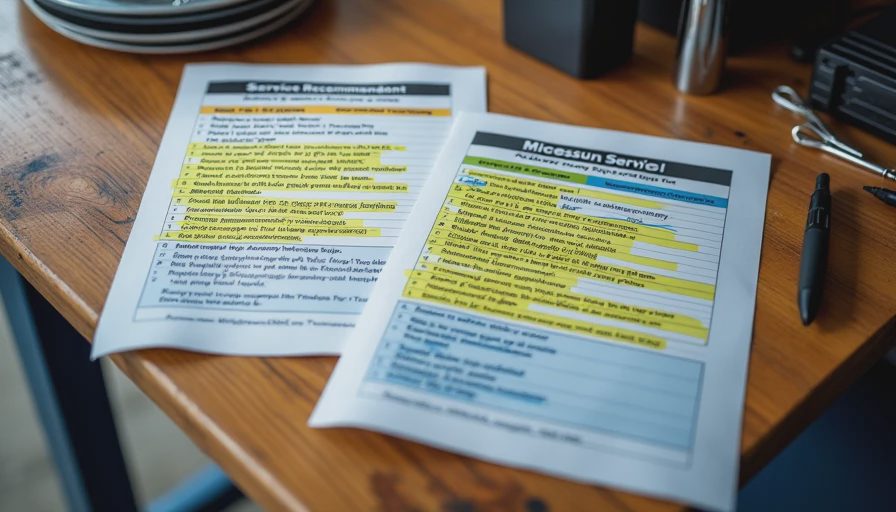
The Question That Changed How I Advise Customers
“Why are there so many things on this recommendation list?”
I heard variations of this question every single week. Customers would look at a long printout and feel overwhelmed, unsure what was truly necessary and what was just padding the bill.
After years explaining these recommendations, I developed a simple way to separate real preventive maintenance from shop theater. Let me share it with you so you can make better decisions.
Preventive Maintenance vs Shop Theater
Preventive Maintenance = Services that are proven to prevent major failures, improve safety, or significantly extend vehicle life when done at the right intervals.
Shop Theater = Services that sound technical and impressive but have minimal real benefit at that moment, especially on modern vehicles.
Real Preventive Maintenance (Worth Doing)
These are the services I consistently told customers to prioritize:
Oil changes at proper intervals (usually 5k–10k miles depending on driving conditions and oil type)
Brake inspections and replacement when pads/rotors are actually worn
Brake fluid flush every 4–5 years or 50k–60k miles (fluid absorbs moisture and can cause corrosion)
Coolant flush at manufacturer intervals (often 100k–150k miles or 5–10 years)
Transmission fluid drain-and-fill every 60k miles on vehicles that see heavy use
Timing belt replacement on engines that use belts (critical — missing this can destroy the engine)
Air filters (engine and cabin) when dirty
Spark plugs at recommended intervals
Common Shop Theater (Often Safe to Skip or Delay)
Fuel system cleaning / injector cleaning on most modern cars
Throttle body cleaning (unless the car has idle or performance issues)
“Engine decarbonization” or walnut blasting on lower-mileage engines
Power steering fluid flush on many newer vehicles (many are sealed)
Multiple “premium” fuel additives or engine treatments
Frequent transmission flushes on high-mileage cars with no prior service history
Cabin filter replacements every 6 months (yearly is usually plenty)
How to Tell the Difference
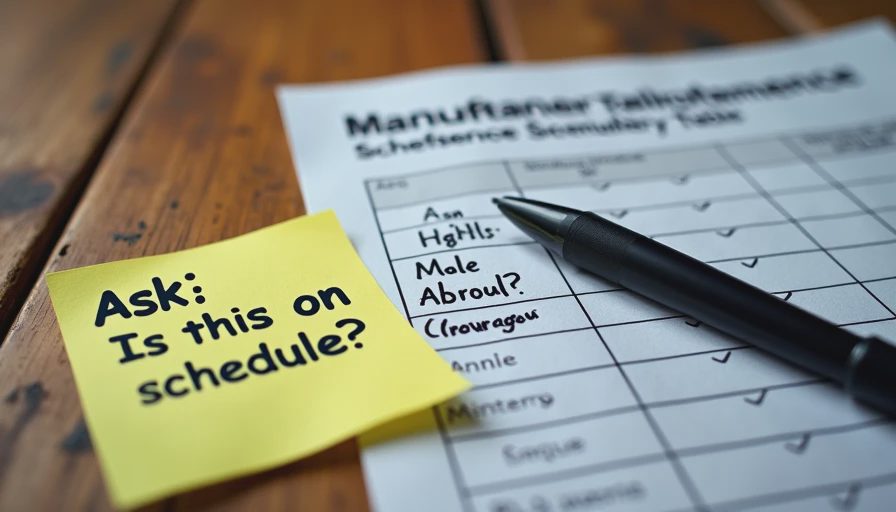
Ask these questions when a shop gives you a long list:
“Is this service on the manufacturer’s recommended maintenance schedule for my specific vehicle?”
“What exact problem does this prevent, and what happens if I skip it right now?”
“Can you show me evidence on my car that this is needed now?”
“What’s the risk level if we delay this for 6–12 months?”
A trustworthy advisor will give you clear, specific answers. Vague responses like “It’s always good to do” usually mean it’s shop theater.
Real Example from My Service Desk
A customer brought in a 2019 Toyota Camry at 58,000 miles. The dealer recommended nearly $2,200 in services including transmission flush, fuel system cleaning, throttle body service, and more.
After reviewing it:
Cabin filter: Yes, it was dirty.
Brake fluid: Due based on age.
Everything else: Shop theater for this low-mileage, well-maintained car.
He spent $380 instead of $2,200 and the car continued running perfectly for the next 40,000 miles I tracked it.
My Simple Rule for Normal Drivers
Fix what’s broken.
Stay current on true safety and major fluid services.
Be skeptical of everything else.
Modern cars are very good at telling you when something is actually wrong through warning lights and symptoms. You don’t need to do every service on the colorful recommendation sheet to have a reliable vehicle.
How to Build a Smarter Maintenance Plan
Download your vehicle’s official owner’s manual schedule.
Keep simple records of what you’ve done and when.
Find a trusted independent shop that explains things clearly instead of overwhelming you.
Focus more on driving habits and basic care (proper tire pressure, gentle acceleration, regular oil changes) than fancy services.
The Bottom Line
The goal of maintenance is to keep your car safe and reliable while spending your money wisely — not to make the shop’s month.
Real preventive maintenance protects your investment. Shop theater just transfers money from your pocket to theirs with little benefit in return.
Learn to tell the difference, ask good questions, and you’ll keep your car running strong for years while saving hundreds (or thousands) along the way.
That’s the practical, calm approach that actually works for real families.
Drive safe and maintain smarter.


No notes yet — write the first.