The Moment Most Drivers Dread
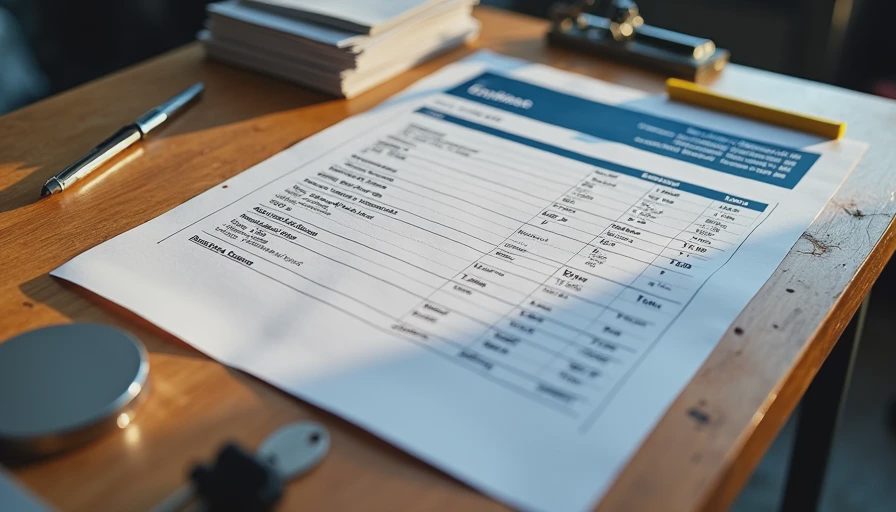
You drop your car off for what you think is a simple issue, and a few hours later you get a text with a repair estimate. Suddenly there are eight line items, strange codes, and a total that makes your stomach drop.
I’ve been on the other side of that phone call hundreds of times. Parents, commuters, everyday drivers — all sounding a little nervous or defensive. The truth is, most shops aren’t trying to trick you, but the system is built in a way that makes it easy to feel lost or pressured.
Let me show you how to read these estimates like someone who actually understands what’s going on under the hood.
Breaking Down a Typical Repair Estimate
Here’s what you’ll usually see:
Labor Hours & Rate
This is often the biggest chunk. A shop might charge $120–$180 per hour depending on location and type of shop (dealership vs independent). They don’t charge for the exact minutes a tech works — they use “book time” from labor guides. Sometimes the book time is realistic, sometimes it’s padded.
Parts
You’ll see OEM (original equipment manufacturer), aftermarket, or remanufactured. OEM costs more but usually fits better and lasts longer. A good estimate should tell you which type they’re quoting.
Diagnostic Fees
If they spent time figuring out the problem, this might be separate. Legitimate, but always ask if it applies toward the repair.
Shop Supplies / Disposal Fees
Those annoying little $15–$40 charges for rags, shop towels, hazardous waste. Real, but sometimes negotiable or shop-dependent.
Taxes
Straightforward, but double-check they’re only on parts and labor as required by your state.
Red Flags That Should Make You Pause
After years explaining estimates, these are the ones that raise my eyebrows:
A long list of “recommended” services that have nothing to do with why you brought the car in. (“Your air filter looks dirty” when you came for brakes.)
Vague descriptions like “Engine service” or “Suspension work” without specifics.
Pressure to do everything today or lose the discount.
Parts prices that seem wildly high compared to online (you can politely ask for alternatives).
Questions You Should Always Ask
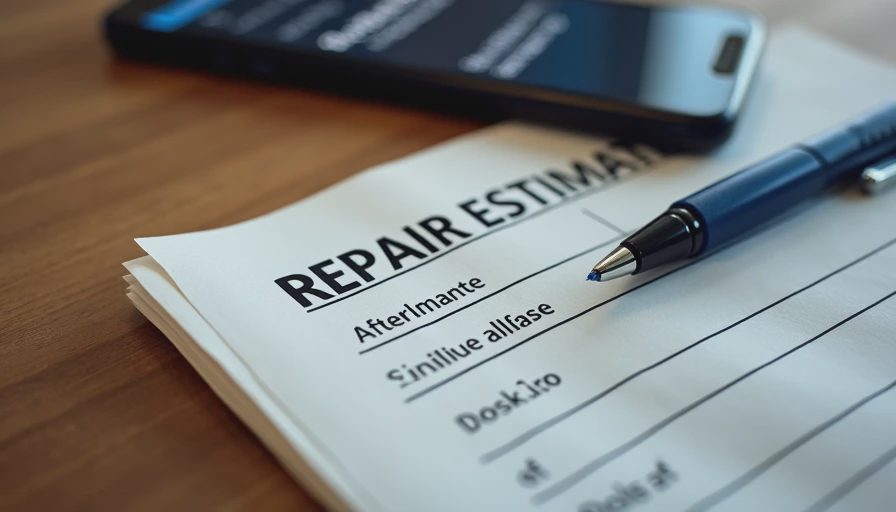
Don’t be shy. A confident customer gets better service. Here are my go-to questions:
“Which of these items are required to fix my original problem, and which are just recommended?”
“Can you show me exactly what’s wrong with pictures or the diagnostic results?”
“What happens if we skip the recommended items for now?”
“Are these OEM or aftermarket parts? What’s the warranty on the parts and labor?”
“Is there a less expensive way to handle this that still keeps the car safe and reliable?”
A good shop won’t mind these questions. If they get defensive, that’s useful information too.
Real-World Example from the Service Lane
A mom brought in her Honda CR-V because of a squeaking noise when braking. The estimate came back at $1,450: new pads, rotors, brake fluid flush, transmission service, and cabin filter.
We sat down and I walked her through it. The brake pads and rotors were genuinely needed. The fluid flush was reasonable because it hadn’t been done in 4 years. But the transmission service and cabin filter had zero connection to the brake noise. She saved over $400 by politely declining the unrelated items and scheduling them for her next visit when they actually made sense.
That’s the power of understanding the estimate.
Maintenance vs Shop Theater
Some services are real maintenance. Others are closer to “shop theater” — they sound important but add little real value right now.
Brake fluid flush: Often worth it every 4–5 years or 50k miles because fluid absorbs moisture.
Fuel system cleaning: Frequently unnecessary on modern cars with good gas.
Throttle body cleaning: Sometimes helpful on high-mileage vehicles, but not every year.
Transmission fluid exchange: Important at proper intervals, but “drain and fill” vs full flush matters.
Ask for the manufacturer’s recommended schedule and compare it to what they’re suggesting.
How to Get a Second Opinion Without Burning Bridges
You don’t have to say yes on the spot.
Ask for the estimate in writing and say you’d like to think about it.
Take clear photos of the estimate with your phone.
Call another trusted shop with the same symptoms and share the estimate (without naming the first shop if you want to keep it clean).
For big jobs ($1,000+), a second opinion is smart, not rude.
My Practical Rules for Dealing with Estimates
Fix what’s broken first.
Stay on top of true preventive maintenance, but don’t do everything at once.
Build a relationship with a trusted independent shop. They usually give straighter answers than dealerships on older vehicles.
Keep your own records. It helps you push back when something seems off.
Budget for repairs like any other household expense. A $800 surprise feels less painful when you expect some level of annual maintenance cost.
The Mindset Shift That Saves Money
Stop seeing every repair estimate as an attack on your wallet. See it as information. You’re the decision maker — not the shop. Your job is to understand what’s truly needed to keep your family safe and the car reliable, then make choices that fit your budget.
Some repairs you do immediately. Others you monitor. A few you can delay or handle differently.
That calm, informed approach is exactly what separates drivers who get taken advantage of from those who stay in control.
Final Thought from the Garage
I’ve handed hundreds of these estimates across the counter. The customers who did best weren’t the loudest or the ones who knew all the technical terms. They were the ones who asked clear questions, focused on safety and reliability first, and made decisions based on facts instead of fear.
You don’t need to become a mechanic. You just need to stop feeling intimidated by the paperwork. Once you can read an estimate with confidence, you’ll save money, avoid unnecessary work, and keep your car running longer.
That’s practical ownership. That’s what we do here at Plainspoken Garage.
Drive smart out there.
No notes yet — write the first.