Sixty thousand miles. For many families, that’s when the factory warranty is fading or already gone, and the car starts reminding you it’s no longer brand new. I’ve watched this exact mileage marker cause more stress — and more unnecessary spending — than almost any other.
My name is Ryan Mercer. I spent years writing repair orders at a dealership and later at an independent shop. I know exactly what happens when cars hit 60,000 miles because I was the guy explaining the estimates to worried parents and commuters.
This isn’t a scary “your car is about to fall apart” article. It’s a calm, practical guide so you can walk into any shop confident and avoid both dangerous neglect and expensive theater.
Don’t Buy the Dream. Buy the Ownership Story.
At 60k miles, the story shifts from “new car” to “mature car that needs attention.” Some maintenance prevents thousand-dollar headaches. Some is optional. Let’s separate the two.
Why 60,000 Miles Is a Big Deal
Most modern vehicles are designed so major systems start needing real attention between 50k and 70k miles. This is when fluids break down, rubber components age, and small issues can snowball if ignored.
I’ve seen cars sail smoothly past 150,000 miles because owners stayed on top of key items. I’ve also seen nearly new-looking vehicles need $4,000+ repairs because critical maintenance was skipped.
The Must-Do Maintenance at 60,000 Miles
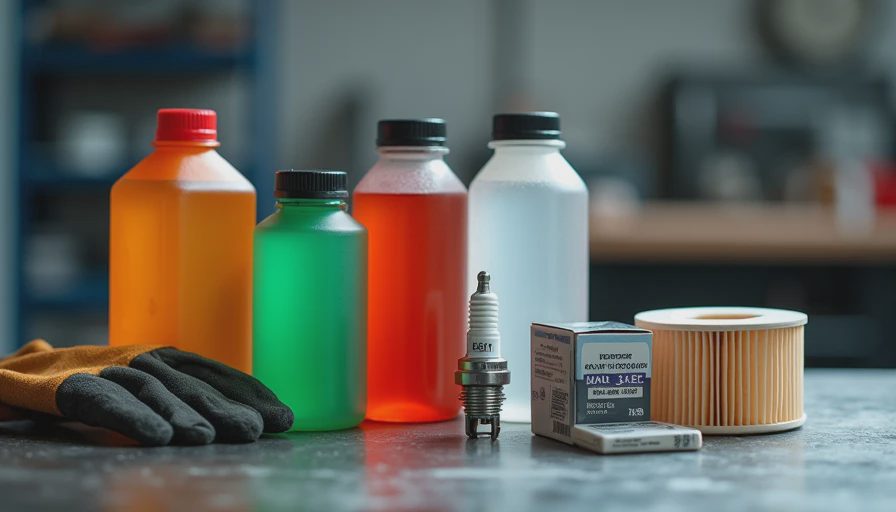
Here’s my no-nonsense priority list from years of real customer experiences:
1. Transmission Fluid Service (If Applicable)
This is the one I push hardest for most automatic transmissions, especially CVTs and older 6-speeds.
Fresh fluid can dramatically extend transmission life. Many manufacturers recommend it around 60k.
Cost: $250–$450 depending on the vehicle.
Worth it? Almost always. I’ve seen neglected transmissions fail at 90–110k, costing $3,000–$6,000. Changing the fluid is cheap insurance.
2. Spark Plugs (on Many Engines)
Especially important on 4-cylinder engines. Worn plugs hurt fuel economy and can cause misfires that damage catalytic converters.
Cost: $150–$350 including labor.
Do this on schedule and you’ll notice smoother running and better MPG.
3. Coolant Flush
Coolant degrades and becomes acidic. At 60k it’s smart to flush and replace it on most vehicles.
Prevents corrosion, overheating, and expensive cooling system repairs later.
Cost: $150–$250.
4. Brake Fluid Flush
Brake fluid absorbs moisture over time. Old fluid can lead to spongy brakes and internal corrosion.
Many shops push this hard. In my experience, it’s genuinely worth doing every 3–4 years or 60k miles.
Cost: $120–$200.
5. Timing Belt or Chain Inspection (If Equipped)
If your vehicle has a timing belt (many Hondas, some Toyotas, etc.), 60k is often when you replace it.
Ignoring this can lead to catastrophic engine damage.
Cost: $500–$900. Painful but necessary.
What’s Usually Optional at 60k
Fuel system cleaning / injector service: Often upsell unless you have symptoms.
Cabin air filter: Important for air quality but not urgent.
Engine air filter: Check it — replace only if dirty.
“Comprehensive 60k package”: Usually a mix of good and unnecessary items. Ask for individual prices.
Real Stories from the Service Lane
One dad brought in his popular family SUV at 62,000 miles. The dealer quoted him $1,800 for a full “60k service.” He was ready to pay until I reviewed the list with him.
We kept the transmission service, coolant, spark plugs, and brake fluid — total around $850. He skipped the rest. Two years later the car was still running strong at 95k miles with no major issues.
Another customer ignored the transmission service on a CVT-equipped vehicle. At 98k miles the transmission started slipping. Repair bill: over $4,200. He told me, “I wish someone had pushed me harder on that fluid change.”
How to Talk to Any Shop About This
Bring this mindset with you:
Ask for a printed list of recommended services with individual prices.
Say: “What is actually required for safety and reliability versus recommended for best performance?”
Request factory service interval information for your specific model.
Get a second opinion from an independent shop you trust if the quote feels high.
Honest shops will respect straight questions. Places pushing hard upsells often get defensive.
My Personal Rule for Our Family Cars
At 60k miles on our own vehicles, I always do:
Transmission/differential fluids
Coolant
Spark plugs (if due)
Brake fluid
Thorough inspection of belts, hoses, suspension, and brakes
Everything else gets evaluated case by case based on the car’s actual condition.
Budgeting for 60k Maintenance
Set aside $800–$1,500 around this mileage. It feels like a lot at once, but spreading it over a few months and choosing a good independent shop makes it manageable. The alternative — major repairs later — is almost always more expensive and stressful.
The Bigger Lesson
Maintenance isn’t about spending money for the sake of it. It’s about protecting the investment you already made in your vehicle and keeping your family safe and reliable transportation.
A well-maintained car at 60k miles can easily go to 150k or more with predictable costs. A neglected one becomes a source of constant worry and surprise bills.
Final Practical Advice
Check your owner’s manual for the exact 60k recommendations.
Find a trusted independent shop (ask friends or look for ASE-certified technicians).
Don’t do everything at once if money is tight — prioritize transmission, coolant, and brakes first.
Keep records. Future buyers (or your future self) will thank you.
Sixty thousand miles isn’t the end of a car’s life. For many practical vehicles, it’s just the beginning of the reliable middle years — if you treat it right.
That’s the kind of honest maintenance talk you’ll always get here. No scare tactics. No unnecessary upsells. Just what normal families actually need to know.
Drive safe, stay on top of the important stuff, and your car will take good care of you in return.



No notes yet — write the first.