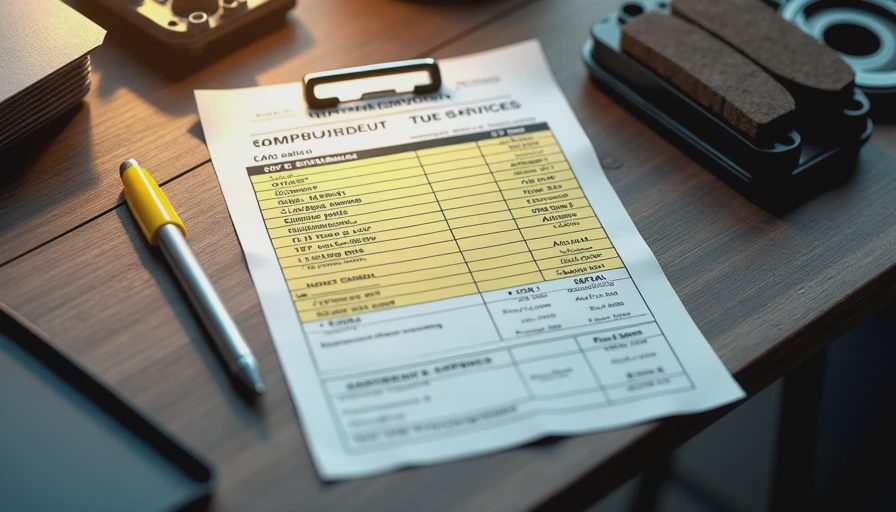
The Thick Printout Every Driver Knows
You bring your car in for an oil change or recall work, and suddenly you’re handed a multi-page recommendation list with 10–15 services highlighted in yellow. Transmission flush, brake fluid, fuel system cleaning, cabin filter, engine air filter, spark plugs… the total quickly climbs into the thousands.
I spent years giving these recommendations and explaining them to customers. Most shops aren’t outright scamming you, but they are incentivized to sell. Here’s the practical breakdown so you can make confident decisions instead of feeling pressured.
My Simple Priority Framework
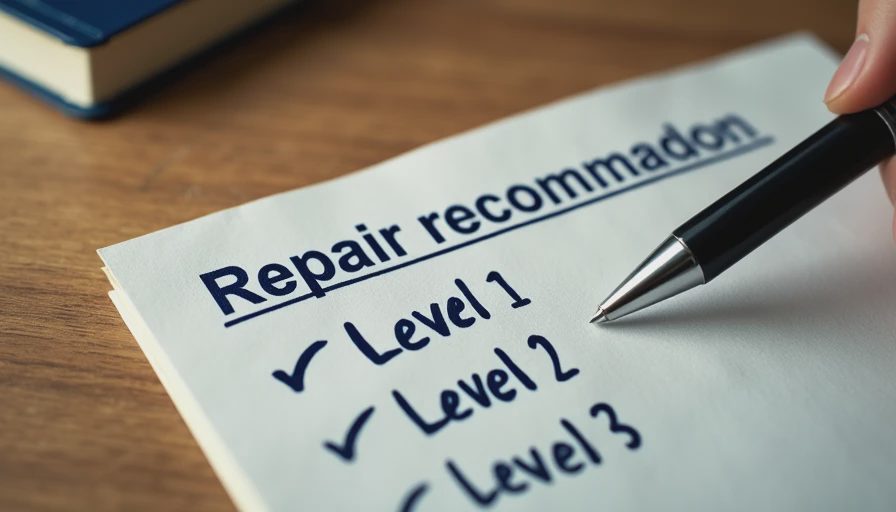
I always told customers to think in three levels:
Level 1: Do This Now (Safety & Reliability)
Level 2: Consider This Soon (Good Preventive Maintenance)
Level 3: Usually Skip or Delay (Shop Theater)
Level 1 – These Usually Matter
Brake Pads & Rotors If they’re actually worn to the limit, replace them. Safety first. No debate.
Tires Anything below 4/32" tread or with uneven wear needs attention. Especially important for families and teen drivers.
Timing Belt / Chain Service (if due) On engines that use timing belts, this is critical. Missing it can destroy the engine.
Fluid Leaks (oil, coolant, brake fluid) Address active leaks before they get worse.
Level 2 – Worth Doing at Proper Intervals
Brake Fluid Flush Every 4–5 years or 50,000–60,000 miles. Brake fluid absorbs moisture and can corrode components. This one is genuinely useful.
Cabin Air Filter Easy and cheap to replace. Improves air quality and defroster performance. Good to do yearly or every 15k–20k miles.
Engine Air Filter Replace when dirty. Costs little and helps fuel economy and engine performance.
Spark Plugs Follow the manufacturer’s interval (often 60k–100k miles). Modern iridium plugs last long.
Transmission Fluid (most modern vehicles) Many are “lifetime” but I recommend a drain-and-fill every 60k miles on vehicles that see heavy use. Full flush machines can sometimes cause issues — ask for drain and fill.
Level 3 – Often Unnecessary Right Now
Fuel system / injector cleaning (on most modern cars)
Throttle body cleaning (unless the car has clear symptoms)
“Engine decarbonization” or walnut blasting (usually not needed under 100k miles)
Many “premium” fuel additives
Transmission flush on high-mileage cars with no service history (can dislodge debris)
Real Example from the Service Desk
A customer brought in a 2018 Honda Pilot at 58,000 miles. The dealer recommended $2,800 worth of services: transmission flush, brake fluid, power steering flush, fuel injection service, etc.
After we reviewed it together:
Brake fluid: Yes, it was due.
Cabin filter: Cheap and worth doing.
Transmission: We did a simple drain-and-fill instead of full flush.
Everything else: Skipped.
He left spending about $450 instead of $2,800 and the car continued running perfectly.
Questions to Ask the Service Advisor
Always ask these before saying yes:
“Is this required for safety or reliability right now, or is it just recommended?”
“What happens if we skip it for now?”
“Are you quoting OEM parts or aftermarket?”
“Can you show me the manufacturer’s maintenance schedule for this exact model?”
“What’s the labor time and why is it needed on this car specifically?”
A good advisor will answer clearly. Vague answers or pressure are red flags.
How to Build Your Own Maintenance Plan
Download your vehicle’s official maintenance schedule from the manufacturer’s website.
Keep a simple notebook or spreadsheet in the glovebox.
Prioritize based on your actual mileage and driving conditions (lots of short trips, highway, dusty roads, cold winters, etc.).
Find a trusted independent shop for second opinions on big-ticket items.
The Golden Rule I Learned
Fix what’s broken or truly due.
Stay ahead on true safety items.
Be skeptical of everything else until you have symptoms or clear evidence.
Your car doesn’t need every service on the fancy printout to last a long time. It needs consistent basic care and the important fluid changes at reasonable intervals.
Final Thought
Dealerships have monthly quotas and expensive overhead. That’s business. Your job is to be an informed owner who spends money where it actually protects your family and your wallet.
Don’t be afraid to say “Let’s do the brakes and brake fluid today, and I’ll schedule the rest next month after I think about it.” That one sentence has saved my readers thousands of dollars over the years.
Stay calm, ask good questions, and keep control of the decision. That’s how you maintain a reliable car without letting the service lane empty your bank account.
Drive smart out there.

No notes yet — write the first.