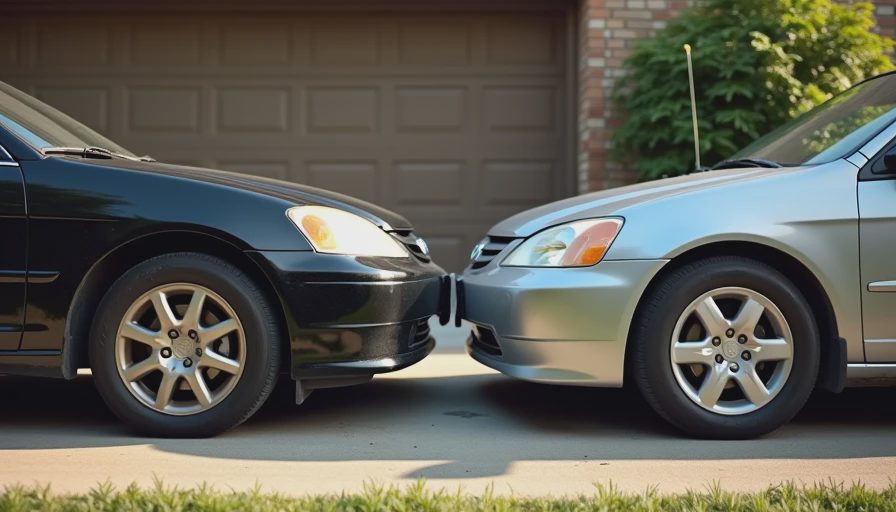
The Trap of the “Great Deal”
You see a used SUV or sedan listed for a few thousand less than similar models and think you’re getting a bargain. Six months later you’re staring at a $1,200 repair bill, $900 tires, and insurance rates that hurt.
I saw this story play out constantly at the dealership and independent shop. The cheapest purchase price often turns into the most expensive ownership story. Let me show you how to spot these wolves in sheep’s clothing.
Why Some Cars Become Money Pits
The biggest factors that turn a “cheap” buy into a costly nightmare:
Poor reliability and frequent repairs
Expensive or hard-to-find parts
High insurance rates
Rapid tire and brake wear
Poor fuel economy that adds up
Fast depreciation even after the initial drop
Cars That Often Feel Cheap But Bite Back
1. Older German Luxury Cars (BMW, Mercedes, Audi – 2010–2016)
They look premium and can be found for surprisingly low prices. But once the factory warranty is gone, repair costs become brutal. A water pump, suspension work, or electrical gremlin can easily run $1,500–$3,000. Parts and labor are expensive, and many independent shops hesitate to work on them.
2. Certain American Full-Size SUVs and Trucks (High Mileage)
They’re common and often priced low, but fuel costs, insurance, and repair frequency add up fast. Transmission issues and suspension work on heavy vehicles get painful quickly.
3. Some Domestic Sedans with High-Output Engines
Certain models with turbocharged or V6 engines from Chrysler, GM, or Ford can be cheap to buy but expensive to maintain. Transmission failures and cooling system problems show up too often.
4. Cheap High-Mileage Crossovers from Lesser-Known Brands
Avoid brands with historically weak reliability scores. What you save upfront often disappears in repeated shop visits.
The Cars That Are Actually Cheap to Own
These are the ones I regularly recommend to budget-conscious families:
Honda Civic / Accord / CR-V (certain years)
Toyota Corolla / Camry / RAV4
Mazda3 / CX-5 (well maintained)
They may cost a few hundred more upfront, but they win big on total ownership cost — lower repair frequency, cheaper parts, better fuel economy, and reasonable insurance.
Real Numbers That Matter
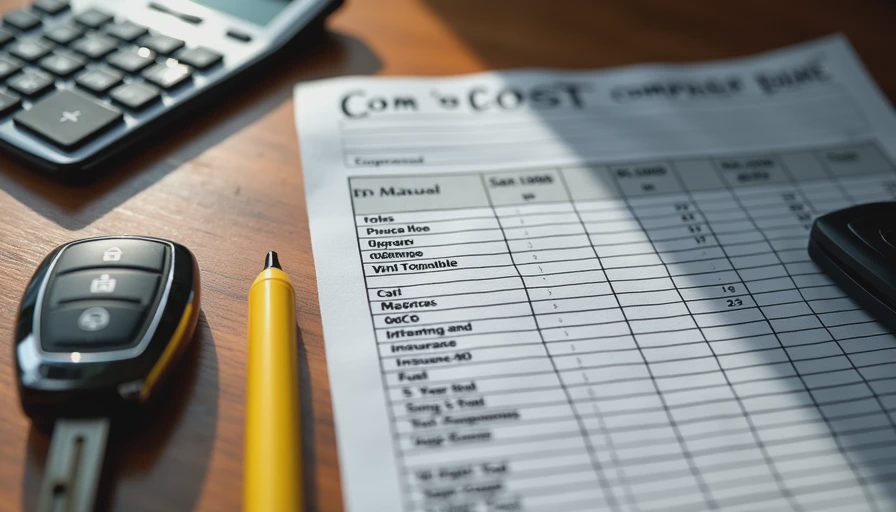
Let’s compare two $12,000 cars:
Car A (The “Bargain”): 2015 luxury compact with 95k miles
Purchase: $12,000
Year 1 repairs: $1,800
Tires: $1,100
Insurance: $1,650/year
Fuel (bad mpg): $2,200/year
Car B (Honda/Toyota equivalent): 2016 Civic or Corolla with 80k miles
Purchase: $13,500
Year 1 repairs: $300
Tires: $750
Insurance: $1,350/year
Fuel: $1,650/year
Over 5 years, Car B easily saves $4,000–$7,000 even though it cost more initially.
How to Spot a True Money Pit Before Buying
Check reliability data for that exact year and model (not just the brand).
Get a thorough pre-purchase inspection — pay extra for a specialist if it’s a luxury or European car.
Run the numbers on parts costs (search common repairs for that model).
Get insurance quotes before you buy.
Look at total cost of ownership rankings from sources like Consumer Reports or Edmunds.
Review service history — consistent maintenance is your best clue.
My Service Desk Rule of Thumb
If the car is significantly cheaper than similar alternatives, there’s usually a reason. Ask yourself: “Why is this one so much less expensive?”
Sometimes it’s high miles. Sometimes it’s a known problem area. Sometimes it’s just the market. But rarely is it a pure gift.
The Smart Buyer Mindset
Stop hunting for the lowest purchase price. Hunt for the lowest total cost of ownership over the next 5 years. A car that costs $2,000 more upfront but saves you $1,000+ per year is the real bargain.
Most normal families do much better buying a slightly more expensive, proven reliable Honda or Toyota than chasing the absolute cheapest listing on the market.
Final Advice from Someone Who’s Seen the Repairs
Don’t let the excitement of a low price tag cloud your judgment. That “deal” can turn into years of regret and unexpected bills.
Buy the car that feels a little more expensive today but stays quietly affordable for the long haul. That’s how you win at real-world car ownership.
Your family deserves reliable transportation that doesn’t stress your budget every time something needs fixing.
Drive smart and buy with eyes wide open.


No notes yet — write the first.