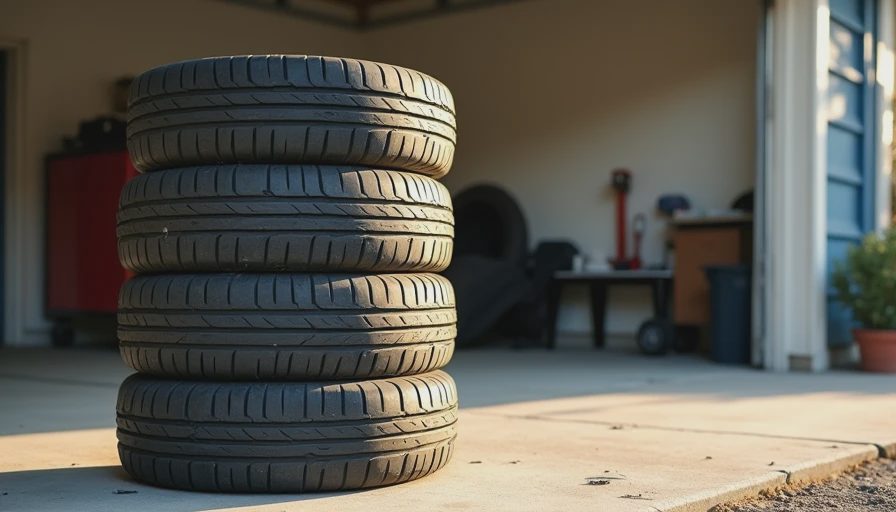
The Expense Most Drivers Underestimate
When families ask me about car ownership costs, they usually focus on fuel, insurance, and big repairs. Very few think about tires until they need a new set.
Yet after years in the service lane, I can tell you that tires are one of the stealthiest factors in your total cost of ownership. A bad choice here can easily cost you $1,000–$2,500 extra over five years without you even noticing.
Why Tires Hit Your Wallet Harder Than You Think
Most vehicles need new tires every 40,000–60,000 miles depending on driving style and conditions. For the average family driving 12,000–15,000 miles per year, that means a new set roughly every 3–4 years.
Let’s run the numbers:
Budget tires: $600–$850 for a set of four (installed)
Good mid-range tires: $900–$1,200
Premium tires (especially on SUVs/crossovers): $1,400–$1,800+
Over 8–10 years of ownership, you’ll likely buy 2–3 sets. That difference adds up fast.
Real-World Examples That Surprise People
Example 1: The Cheap SUV Trap
A popular used SUV might look like a deal, but many require wider, more expensive tires. I’ve seen families pay $1,650 every 45,000 miles because they bought a vehicle with low-profile performance tires. A similar Honda or Toyota in the same class often uses more affordable, higher-volume tire sizes that cost 25–40% less.
Example 2: The Fuel Economy Trade-off
Some “efficient” cars come with low-rolling-resistance tires that save a little gas but wear out faster. You might save $150–$200 a year on fuel but spend $300–$400 more when it’s time to replace them.
Example 3: All-Season vs Specialized Tires
If you live in Ohio-like winters, you might need winter tires. That’s two sets to maintain (or dedicated winter wheels). This adds cost but improves safety. Many drivers ignore this until the first snow.
What Actually Affects Tire Costs
Vehicle Choice — Tire size and type vary wildly. A Civic is cheap to shoe. Many crossovers and trucks are not.
Driving Habits — Aggressive acceleration, hard cornering, and poor alignment chew through tires faster.
Maintenance — Regular rotations every 5,000–8,000 miles and proper inflation can add 20–30% more life to your tires.
Climate — Heat, cold, and road salt all affect wear rates.
Brand and Quality — Sometimes paying more upfront gets you longer-lasting tires that are cheaper per mile.
My Practical Tire Strategy for Normal Families
Buy quality mid-range tires, not the cheapest. The difference in longevity and wet-weather performance is worth it.
Rotate and balance religiously. This is one of the cheapest ways to protect your investment.
Check alignment after any suspension work or hitting big potholes.
Consider your vehicle choice carefully. When comparing models, always ask “How much do a set of tires cost for this?” before buying.
Shop around. Tire Rack, Discount Tire, and local independent shops often beat dealership prices significantly.
The Hidden Math Most People Miss
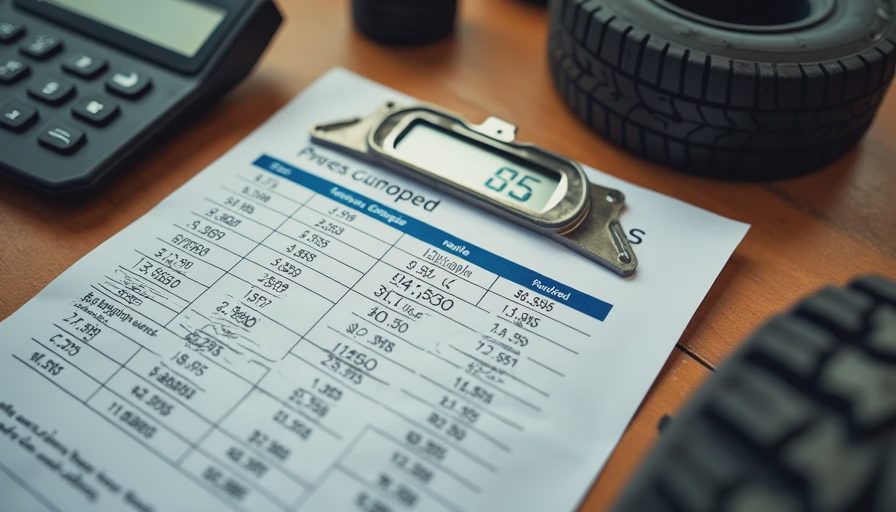
A $300 cheaper set of tires that only lasts 35,000 miles vs a $450 set that lasts 55,000 miles:
Cheap option: ~$0.0086 per mile
Better option: ~$0.0082 per mile
Over 100,000 miles, the “more expensive” tires actually save you money while providing better safety and comfort. This pattern repeats across multiple sets.
Real Story from the Service Desk
A dad came in with a popular mid-size SUV. He bought it because it was $3,000 cheaper than a comparable Honda. Two years later he needed tires. The quote was $1,720. He was shocked. The same money would have bought better tires for a CR-V or RAV4 with cash left over. He told me, “I never thought about the tires when I bought it.”
That $3,000 “savings” on purchase price was disappearing fast.
Bottom Line for Smart Owners
Tire costs are quiet, predictable, and completely avoidable if you factor them in when choosing a vehicle.
When shopping, add tire replacement to your five-year ownership calculation. A car that seems cheaper upfront can easily become more expensive once you account for rubber that hits the road every single day.
Choose vehicles with sensible tire sizes, prioritize proper maintenance, and buy quality rubber when it’s time. These small decisions compound into real savings and safer driving for your family.
Don’t let tires be the expense that sneaks up on your budget. Plan for them like any other major ownership cost.
Drive safe out there.

No notes yet — write the first.