
The Mistake That Costs Thousands
After years behind the service counter, I can tell you the most expensive car mistake isn’t choosing a lemon or paying too much at the lot.
It’s buying the dream instead of buying the ownership story.
Normal, hardworking people — teachers, nurses, factory workers, office folks with kids — walk onto lots or scroll listings looking for something that feels exciting or impressive. Then reality hits 18 months later when the payment still hurts, the repair bills start, insurance is higher than expected, and the “perfect” car no longer feels so perfect.
This one mindset error quietly costs families more money than almost anything else.
What “Buying the Dream” Actually Looks Like
Stretching the budget for a new car because “I deserve it.”
Choosing a big SUV because it looks like the family vehicle everyone has, even though you only have two kids.
Picking a truck because it “feels tough,” even though 90% of your miles are commuting.
Falling in love with features and tech that add thousands to the price but deliver little daily value.
Buying based on how the car makes you feel for the first 30 days instead of how it will serve you for the next 5–8 years.
I watched this happen constantly. People would finance $40k+ vehicles on a $65k household income because the salesman made the monthly payment sound manageable. Two years later they were stressed, skipping maintenance to save money, and trading in early at a big loss.
The Real Expensive Part
The true cost isn’t just the higher payment. It’s the chain reaction:
Higher insurance premiums every month
More expensive tires and brakes
Bigger hits when something breaks
Faster depreciation if it’s a less practical choice
Mental stress that comes with being “car poor”
One dad I knew bought a loaded new SUV because the third row “might be useful someday.” They rarely used it. Three years later he traded it at a $12,000 loss because the payments were crushing their family budget. That $12k could have paid for a lot of soccer seasons and family vacations.
The Better Way: Buy the Ownership Story
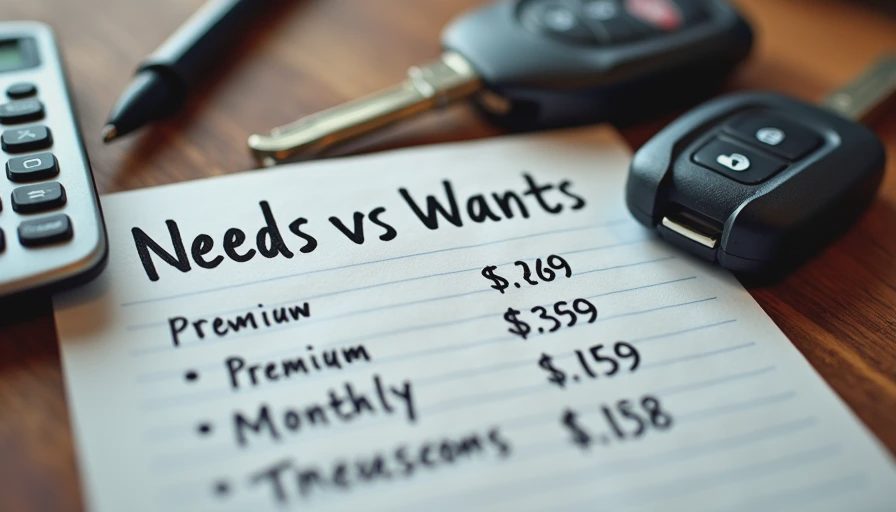
Instead of asking “What do I want?”, ask these questions:
What will my actual weekly driving look like for the next 5 years?
How many people and how much stuff do I really need to carry most days?
What can I comfortably afford without feeling tight every month?
Which cars have proven themselves reliable in real life, not just on paper?
What will this car cost me per mile, not just per month?
This shift changes everything.
Real Examples I’ve Seen
The SUV Trap
Families buying full-size SUVs for “safety” and space, then discovering they’re paying $600+ monthly, terrible gas mileage, and expensive maintenance. A well-chosen midsize crossover would have done 90% of the job for 30–40% less cost.
The New Car Pressure
People who could comfortably afford a excellent 2–4 year old Honda or Toyota but felt they “needed” new. They lost $8k–$12k in the first three years to depreciation alone.
The Sporty Choice
Parents buying a fun-to-drive car for their teen (or themselves) and watching insurance premiums explode.
My Practical Advice After Watching Thousands of Cars
Be honest about your real needs. Most families do fine with a good midsize sedan or compact crossover.
Set a strict total monthly number (payment + insurance + fuel + maintenance) and don’t go over it.
Prioritize reliability and repair costs over newness or features.
Calculate the five-year cost, not just the sticker or monthly payment.
Leave breathing room in your budget. Life happens — kids need braces, roofs leak, jobs change.
The Cars That Usually Win Long-Term
In most cases, the winners are boringly reliable: well-maintained Hondas, Toyotas, and a few Mazdas in the right trim. They don’t turn heads at stoplights, but they also don’t turn your bank account red.
The most expensive mistake is letting emotion or social pressure make the decision instead of calm, practical ownership math.
Final Thought from the Garage
Don’t buy the car you think you should want.
Buy the car that fits your actual life and budget without squeezing you.
That single change in thinking has saved the families I’ve worked with more money than any specific model recommendation ever could.
Next time you’re shopping, pause and ask: “Am I buying the dream, or am I buying the ownership story?”
If you focus on the story — the day-to-day reality of living with the car — you’ll make far better decisions and keep more money in your pocket where it belongs.
That’s the real secret to smart car ownership.
Drive wisely.

No notes yet — write the first.