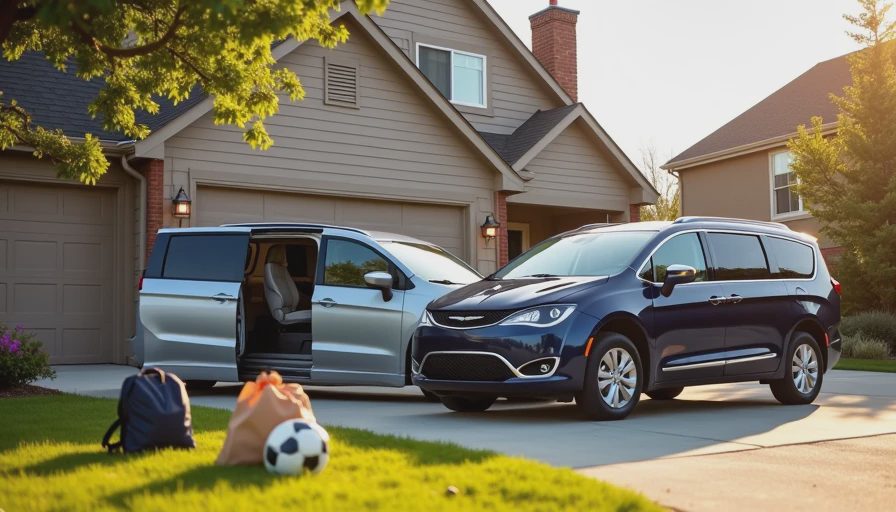
Every weekend I see the same scene in parking lots across Columbus: parents wrestling car seats, sports bags, and grocery runs. And almost always the big question comes up — should we get a minivan or an SUV?
I’ve had this conversation face-to-face with dozens of families. Some swear by their minivan. Others love their SUV and would never go back. As a former service advisor, soccer dad, and guy who’s lived both sides, here’s my plainspoken take.
Don’t Buy the Dream. Buy the Ownership Story.
Marketing wants you to believe SUVs equal adventure and freedom. Minivans sometimes get unfairly stereotyped. The truth is simpler: different tools for different family realities.
Space and Practicality — The Real Winner
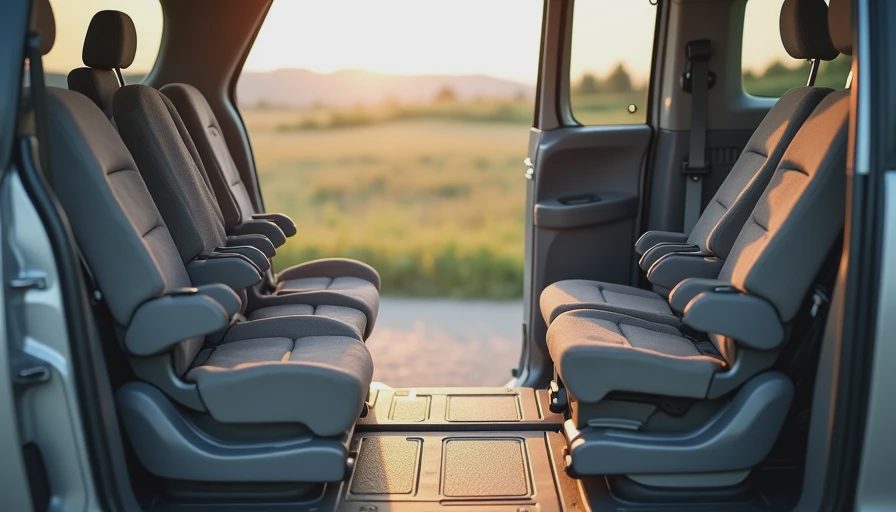
Let’s start with the obvious. Minivans usually win on pure usability.
Sliding doors are a game-changer. You can pull up to curbs, open the door fully even in tight parking spots, and get kids in and out without banging doors into other cars or your own shins. No more awkward gymnastics in an SUV.
Floor space is flatter and more usable in most minivans. You can lay down seats and actually fit a double stroller, a weekend’s worth of luggage, and the family dog without creative stacking.
I remember one dad who traded his three-row SUV for a minivan. He told me at the next oil change, “I can’t believe how much easier school mornings are now. The sliding doors alone saved my sanity.”
Driving Feel and Daily Comfort
Here’s where SUVs often score points. They usually sit higher, giving that confident “command of the road” feeling many parents like. They tend to drive more like a taller car and feel less bulky in turns for some people.
Minivans drive lower and often feel more car-like — stable, easier to park, and better in wind. But some people still associate them with “I’ve given up” even though modern minivans handle quite well.
For highway road trips, both can work. But minivans often have better ride quality for passengers in the back rows because of their lower center of gravity and suspension tuning.
Fuel Economy and Ownership Costs
This is where numbers get real.
Most minivans are slightly more efficient than comparable three-row SUVs. That difference adds up over years of commuting and soccer tournaments. Tires are usually cheaper on minivans too. Insurance can go either way depending on the model, but repair costs tend to favor reliable Honda and Toyota minivans.
From the service lane, I saw fewer expensive transmission and suspension issues on the popular minivans compared to some SUVs in the same price range.
Child Seats, Car Seats, and Family Logistics
Minivans make installing multiple car seats dramatically easier. More LATCH anchors, better access, and often more room between seats so kids aren’t kicking each other.
SUVs can work fine, especially with captain’s chairs, but you often sacrifice cargo space once all the seats are in use. Loading groceries or sports gear becomes a puzzle.
The Cool Factor and Resale Reality
Let’s be honest — many people avoid minivans because of image. I get it. But after two kids and real life, I care more about whether I can load the car quickly when it’s raining and we’re already late.
Resale value? SUVs generally hold value better in the used market. That’s one advantage. However, a well-maintained minivan from Honda or Toyota still sells reliably to other growing families.
My Honest Recommendation for Most Families
If you regularly carry 4+ people plus gear, do frequent road trips, or value maximum ease and space — strongly consider a minivan.
If you need more ground clearance for occasional light off-road or snow, prefer a sportier drive, or simply can’t get past the image — go with a well-chosen three-row SUV.
We personally use a minivan now and I don’t regret it for a second. The practical wins every single week.
Real Family Examples from the Service Desk
One couple came in with twins in an SUV. They were exhausted from fighting car seats in tight spaces. After switching to a minivan they came back smiling. The mom said, “It’s embarrassing how much better life is.”
Another family kept their SUV because they camp and tow a small trailer sometimes. The higher clearance and towing capacity mattered more to them than easy loading.
Both decisions were right — for their specific life.
Key Questions to Ask Yourself
How many people and car seats do we usually have?
How often do we need maximum cargo space?
Do we drive in snow or rough roads regularly?
What matters more: easy daily use or weekend adventure image?
What’s our real budget for fuel and tires over the next 5 years?
Answer those honestly and the right choice becomes clearer.
Practical Buying Tips
Test drive both on the same day with all your kids and normal gear.
Check actual cargo space with seats in use (not just folded).
Look at reliability ratings for specific model years.
Get a pre-purchase inspection — always.
Compare real-world fuel economy numbers from owners, not window stickers.
Bottom Line
There is no universally superior vehicle. There’s only the one that fits your actual family life with the least daily frustration and ownership regret.
For most normal families doing normal family things, a good minivan quietly solves more problems than it creates. But if an SUV fits your needs better and you’ve run the real costs, that’s perfectly fine too.
The important part is making the decision with open eyes instead of marketing pressure.
That’s what we do at Plainspoken Garage — cut through the noise and focus on what actually matters when you’re living with the car every day.
Your family deserves transportation that makes life easier, not harder. Choose the tool that fits the job you actually have.
No notes yet — write the first.