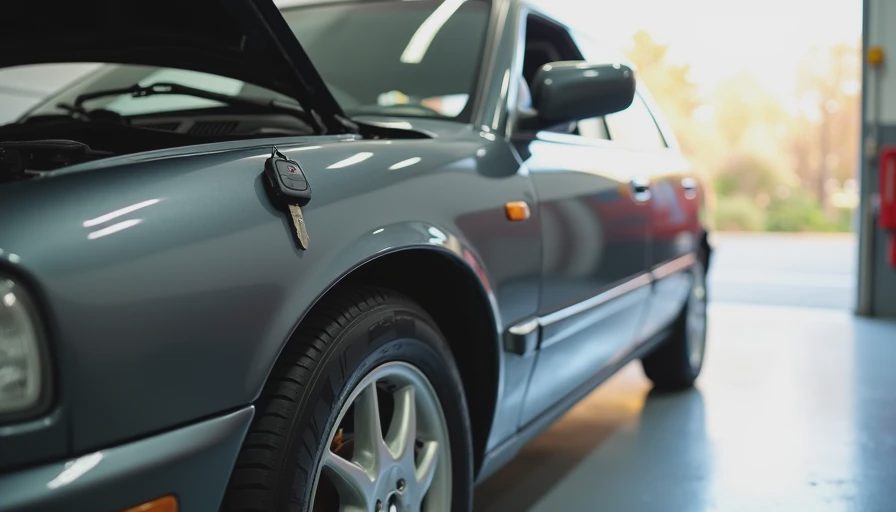
I can’t count how many times a customer sat in my office at the dealership, handed me a fresh repair estimate, and said, “But it only had 45,000 miles when I bought it six months ago.”
That sentence always hurt to hear. Because most of those expensive problems could have been spotted before they drove off the lot.
My name is Ryan Mercer. I spent years as a service advisor and later at an independent shop. I’ve seen the good, the bad, and the “this thing is going to cost you more than your mortgage” used cars. This article is the no-fluff guide I wish every regular driver and parent had before they went shopping.
Don’t Buy the Dream. Buy the Ownership Story.
A clean paint job and shiny wheels don’t tell you anything about what the car will cost you in the next three years. The real story is under the hood, in the service records, and in the small details most buyers ignore.
Here’s how I recommend doing it right.
Step 1: Know What You Actually Need Before You Shop
This is where most people go wrong. They fall in love with a car instead of matching a vehicle to their real life.
Sit down with your family and write down the honest answers:
How many miles do you drive per year?
How many kids, car seats, or sports bags do you haul weekly?
Do you need all-wheel drive for winters or mostly highway commuting?
What’s your real maintenance budget after the purchase?
I once watched a nice young couple buy a sporty crossover because it looked fun. Six months later they were struggling to fit the double stroller and complaining about the firm ride with kids in the back. They could have avoided that disappointment with one honest conversation before shopping.
Step 2: Set a Realistic Budget — and Stick to It
The price on the windshield is just the beginning. Add these in:
Sales tax and registration
New tires (often $800–$1,200 for a family SUV)
Immediate repairs that the dealer “didn’t notice”
Higher insurance for certain models
I tell people to subtract at least $2,000–$3,000 from their top number for surprise items in the first year. If that leaves you uncomfortable, drop your target price further.
Step 3: The Pre-Purchase Inspection (PPI) — Non-Negotiable
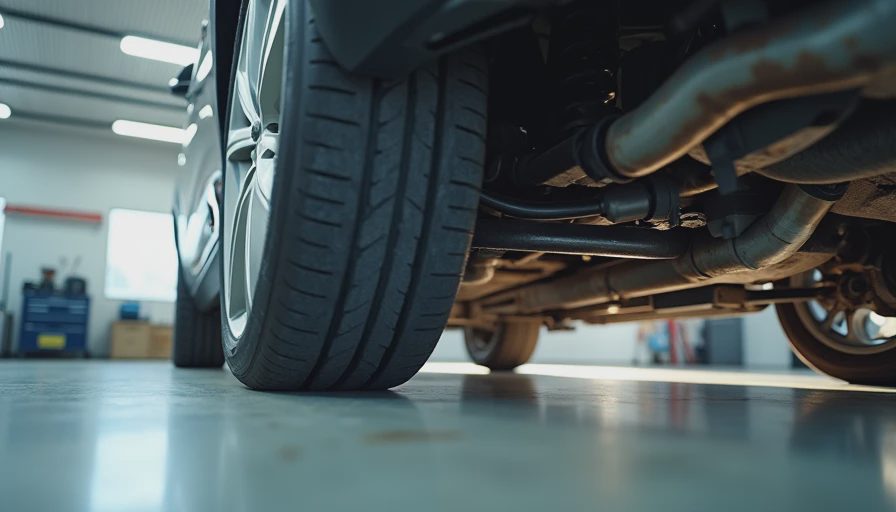
This is the single best money I ever spent as a buyer myself. Pay a trusted independent mechanic $100–$200 to check the car thoroughly. Not the selling dealer’s shop. Not your cousin who “knows cars.”
A good PPI checks:
Compression and leak-down test
Suspension and steering components
Transmission fluid condition (especially important on CVTs and older automatics)
Signs of accident damage or frame repair
Actual wear on brakes, tires, and belts
I’ve seen cars that looked perfect on a sunny Saturday fail the PPI hard enough that the buyer saved $4,000 by walking away.
Step 4: Red Flags That Make Me Tell Customers to Run
Over the years I made a mental list. Here are the big ones:
Seller refuses a PPI or gets defensive
Service records are missing or only “dealer” oil changes with no details
Strong air freshener smell (often hiding smoke or mold)
Multiple owners in short time or title issues
The car has been “just detailed” right before you see it — sometimes hides fluid leaks
Any flooding history (check Carfax carefully)
One truck I remember had perfect Carfax but the independent mechanic found water in the oil. The previous owner had “fixed” the flood damage just enough to pass visual inspection. The buyer dodged a bullet.
Step 5: Questions You Must Ask the Seller
Ask these calmly but directly:
Why are you selling the car?
What’s the biggest repair you’ve done on it?
Are there any known issues you’re aware of?
Can I see all the service records?
Has it ever been in an accident?
Watch their body language and listen for hesitation. Honest sellers usually answer straight. People hiding something get uncomfortable.
Step 6: Test Drive Like You Mean It
Don’t just drive around the block. Do this:
Drive on the highway and listen for unusual noises at speed
Make a few hard stops to feel the brakes
Turn the wheel lock-to-lock in a parking lot
Listen for clunks over bumps
Check all electronics, AC, heat, and windows
Drive it with the radio off — you’ll hear things you missed otherwise
I once test drove a minivan that felt smooth until I hit 55 mph. There was a vibration that the salesman blamed on the road. The mechanic later found worn engine mounts. Small detail, big future headache.
Step 7: Timing and Negotiation
End of the month, end of the quarter, or when the dealer needs to hit targets — these are better times. But don’t let urgency push you into a bad deal.
Have your financing pre-approved from a bank or credit union before you negotiate. It gives you real power.
Real Story from the Service Lane
A single mom came to me after buying a used SUV. It looked great, low miles, one owner. Three months later the transmission started slipping. Repair quote: $3,800.
During our conversation I learned she never got a PPI because “the dealer said it was clean.” The Carfax looked okay, but the independent inspection would have caught early transmission fluid issues and unusual wear.
She ended up trading it in at a loss. That one mistake cost her almost $6,000 total when you factor in the trade-in hit.
What Makes a Used Car a Good Buy for Normal Families
In my experience, the winners are usually:
Honda and Toyota models with documented maintenance
Conservative driving history
One or two owners
Regular highway miles instead of all city stop-and-go
Vehicles that have had timely (not necessarily dealer) service
You don’t need the newest or fanciest. You need the one that’s been taken care of by someone who treated it like a tool, not a toy.
Final Advice Before You Shop
Print this article or make your own checklist. Bring it with you. Take photos of everything. Sleep on the decision overnight if possible.
Buying a used car should feel calm and deliberate, not rushed and emotional. If you feel pressure from the seller, walk away. There will always be another car.
The goal isn’t to get the “best” car. The goal is to get a reliable one that fits your actual life and won’t surprise you with expensive problems.
Do the work upfront and you’ll spend the next several years driving with confidence instead of anxiety.
That’s how you buy a used car without getting burned.
Welcome to the smarter side of used car shopping. You’ve got this.




No notes yet — write the first.