Buying a used car comes with plenty of decisions, and one of the biggest is whether to buy a used car extended auto warranty. I've been down this road with three different vehicles, and I'm going to share what I've learned so you can make a smarter choice. A warranty can cover repairs after the manufacturer's coverage ends, but it's not right for everyone. Let's dig into the details.
What Does a Used Car Extended Auto Warranty Cover?
Most extended warranties are service contracts that pay for certain repairs after a deductible. They're sold by third-party companies like Endurance, CARCHEX, or through dealerships. Plans vary, but typical coverage includes the engine, transmission, drive axle, air conditioning, and electrical systems. Some plans, called exclusionary or bumper-to-bumper, cover nearly everything except a short list of exclusions like tires and brake pads. Others are named-component plans that only cover a list of parts. It's crucial to read the fine print. For example, a warranty might cover the alternator but not the wiring harness connected to it. I learned this the hard way when my car's cooling fan failed, and my policy only covered the fan motor, not the control module.
When It's Worth Buying (And When It's Not)
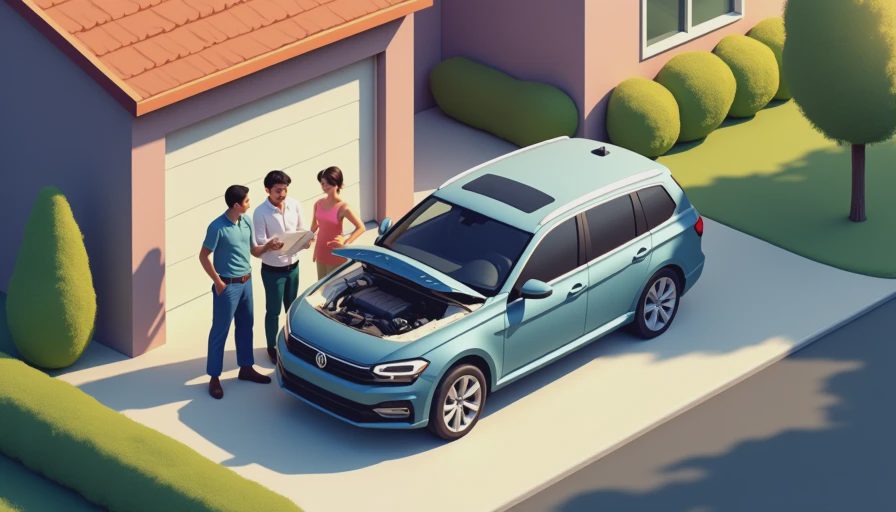
A used car extended auto warranty makes sense if you're buying a high-mileage vehicle (over 60,000 miles), a luxury brand with expensive parts, or a car with known reliability issues. For instance, I bought a 2015 BMW with 70,000 miles and knew the cooling system was a weak point. The $2,800 warranty paid for itself within two years after a radiator and water pump replacement. On the flip side, if you're buying a reliable Toyota or Honda under 50,000 miles, you might be better off self-insuring—putting the monthly warranty cost into a savings account. Also, if the car is still under the original manufacturer's powertrain warranty, don't buy an extended plan until that expires. You can't double-dip on coverage.
How Much Does an Extended Warranty Cost?
Prices vary wildly depending on the vehicle, mileage, coverage level, and term. Expect to pay anywhere from $1,500 to $3,500 for a typical 3-5 year plan on a used car. Luxury vehicles and high-mileage cars cost more. I've seen quotes for a 2018 Audi Q5 at over $4,000 for a basic plan. Deductibles usually range from $0 to $200 per visit. Some companies offer month-to-month payment options, but the total cost is often higher that way. Always compare quotes from at least three providers. And watch for administrative fees, cancellation penalties, and claim limits (like a maximum payout per repair).
Two Alternatives to Consider First
Before buying a used car extended auto warranty, check two other options. First, look into a vehicle service contract from the manufacturer if your car is still relatively new. Some automakers sell extended protection that's often better than third-party plans. Second, consider a mechanical breakdown insurance (MBI) policy from an insurance company like Geico or Progressive. These are regulated differently and may offer more standard coverage for less money. In some states, MBI can be cheaper than a traditional warranty. I've used both approaches: one car had a manufacturer-backed extension, and another I insured with a $50 deductible MBI policy. Both worked well, but they're not available everywhere.
My Personal Experience with Claims
Dealing with a warranty claim can be smooth or frustrating. My best experience was with CARCHEX on that BMW. I called them, got a claim number, took the car to an authorized shop, and the repair was approved in 24 hours. The shop handled the paperwork, and I only paid my $100 deductible. My worst experience was with a dealer-sold warranty on a used Ford Explorer. The warranty company required pre-authorization before any work, but the shop couldn't get a response for three days. I had to push both sides, and the claim was eventually approved but at a lower rate than the shop's estimate, leaving me to cover the difference. That's why I recommend reading reviews of the warranty company's claims process, not just the coverage details.
Key Questions to Ask the Warranty Provider
Before you buy a used car extended auto warranty, get clear answers to these questions.
- What exactly is covered? Ask for the full list of covered components and the exclusions. Some plans exclude "wear and tear," which can deny claims on parts that fail from normal use.
- How are claims paid? Do you pay the shop and get reimbursed, or does the warranty company pay directly? Also ask if you can use any repair shop.
- What is the deductible? Is it per visit or per repair? If multiple issues are fixed at once, you might pay only one deductible.
- Is there a waiting period? Most plans have 30 days or 1,000 miles before coverage starts.
- Can I cancel? Many providers offer a full refund within 30 days, then pro-rated refunds. Check cancellation fees.
These questions help you compare plans. Get everything in writing.
Bottom Line
A used car extended auto warranty is a financial tool, not a magic shield. For some buyers, especially those who hate big surprise bills, it brings peace of mind. For others, it's a waste of money they could have saved. Do your homework on the vehicle's reliability, the warranty provider's reputation, and the contract's exclusions. If you decide to buy, negotiate the price—they're often marked up by 100% or more. And if you skip the warranty, set aside a repair fund instead. I've done both, and neither is right or wrong. It's about what fits your budget and risk tolerance.





No notes yet — write the first.