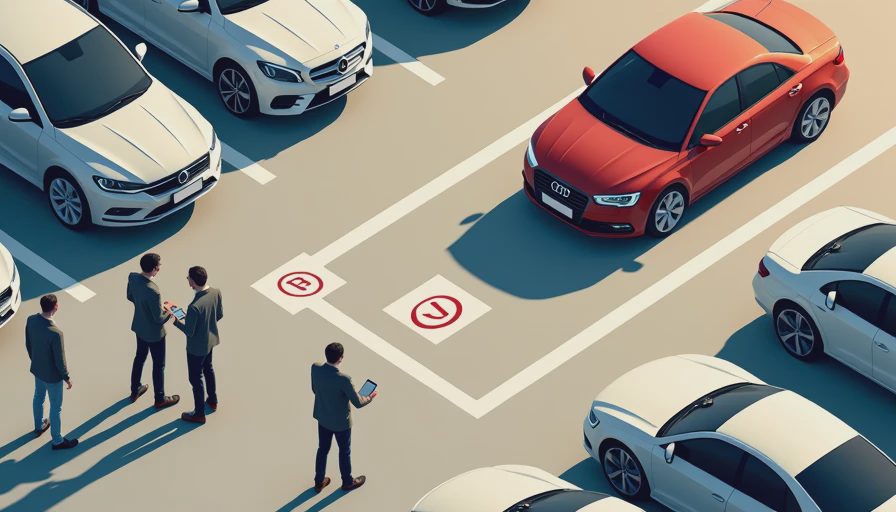
Buying a used car can be a smart financial move, but it comes with risks. Knowing **what to look for when buying a used car** can save you thousands of dollars and headaches down the road. I’ve helped friends and family inspect dozens of used cars over the years, and I’ve learned that skipping the basics is the fastest way to get stuck with a lemon. Here’s my step-by-step guide to walking around, under the hood, and behind the wheel.
Start With the Paperwork
Before you even look at the paint job, ask for the title and service records. A clean title means the car hasn’t been salvaged or rebuilt. Check that the VIN on the title matches the one on the dashboard and driver’s door jamb. Service records tell you if the owner kept up with oil changes, tire rotations, and major services. If they have a thick folder, that’s a good sign. If they shrug and say “I think it’s fine,” walk away.
Inspect the Exterior & Interior
Walk around the car in good daylight. Look for paint that doesn’t match between panels — that could mean repainted bodywork after an accident. Run your finger along panel gaps; they should be even. Check for rust around wheel wells and under the doors. Inside, smell for mustiness (leaks) and test every button: windows, locks, AC, heat, radio, seat adjustments. Wear on the steering wheel and pedals that doesn’t match the odometer reading is a red flag for rolled-back miles.
Check Under the Hood
Pop the hood and look for obvious leaks or corrosion. A dry, clean engine bay is a good sign. Pull the oil dipstick — oil should be amber or brown, not black or milky. Milky oil means coolant leaking into the engine (blown head gasket). Check the transmission fluid too: it should be red or pink, not burnt brown. Look at the battery terminals for white or blue crust; that’s easy to clean, but it hints at neglect. If the engine is hot when you arrive, they might have warmed it up to hide a rough start.
Take a Thorough Test Drive
A test drive reveals more than any checklist. Drive on city streets and a highway. Listen for knocks, ticks, or squeals. Hit a few bumps to see if the suspension rattles. Brake firmly from 45 mph — the car should stop straight without pulling. Accelerate onto a highway and feel for hesitation. Check the transmission shifts smoothly. When you’re done, park on a level surface and look under the car for drips. A few drops of water from the AC is normal; anything oily or colored is not.
Review the Vehicle History Report
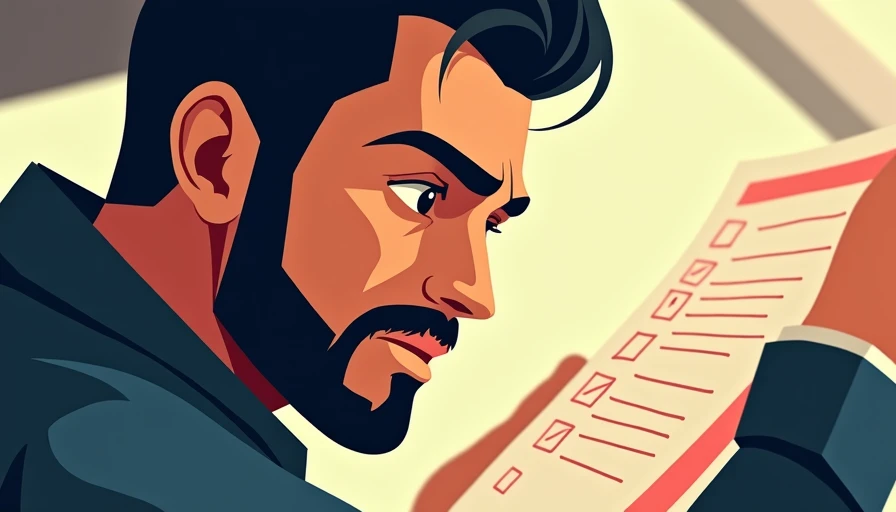
Get a vehicle history report from Carfax or AutoCheck. It will show accidents, flood damage, odometer readings, and ownership history. Even if the seller says “it’s clean,” pay for the report yourself. I once looked at a car that seemed perfect, only to find it had been in a flood two years earlier. The seller didn’t mention it, and the musty smell I dismissed came back. A report costs around $40 and can save you from a total loss.
Common Mistakes to Avoid When Buying a Used Car
Even experienced buyers make errors. Avoid these pitfalls to ensure you don’t end up with a money pit. First, don’t skip the test drive because you’re in a hurry — you need to feel the car in different conditions. Second, never buy without a vehicle history report. A seller might hide flood or accident damage. Third, don’t ignore the tires and brakes. Worn tires or thin brake pads are negotiation points but also safety hazards. Fourth, don’t get emotionally attached to a specific color or trim. That can blind you to mechanical issues. Fifth, don’t forget to check the glove box for owner’s manuals and service records — a missing manual might mean the car was neglected. Sixth, don’t pay full asking price without research. Use Kelley Blue Book or Edmunds to see fair market value. Finally, don’t buy a used car without a mechanic’s inspection unless you are a mechanic yourself. These mistakes are common, but knowing **what to look for when buying a used car** helps you avoid every one of them. Take your time, do your homework, and you’ll drive away happy.
Consider Insurance Costs
Before you hand over cash, call your insurance agent and get a quote for that specific vehicle. Insurance costs vary wildly. A used sports car might cost double to insure compared to a sedan. Also, if you’re financing, the lender will require full coverage. Factor that into your monthly budget. Knowing **what to look for when buying a used car** includes knowing what it will cost to keep it on the road. A cheap purchase price can be eaten up by high premiums.
Don’t Rush the Decision
Take your time. If a deal feels too good to be true, it probably is. Bring a trusted mechanic for a pre-purchase inspection — it costs $100-200 and covers compression test, brake check, and computer diagnostics. That small expense is the best money you’ll spend. And remember: the seller’s urgency is not your problem. Walk away if anything doesn’t feel right. There are plenty of good used cars out there.
By following these steps, you’ll know exactly **what to look for when buying a used car**. A little homework upfront means a better ride and fewer surprises. Happy hunting!


No notes yet — write the first.