
I’ve owned three used Toyota cars over the past decade, and I’m not done yet. When people ask me what to buy on a budget, I always point them toward a used Toyota. The reason is simple: they hold up. My 2004 Camry ran past 250,000 miles with nothing more than oil changes and a single alternator replacement. That kind of durability is hard to find in any other brand, especially when you’re shopping on the used market.
But not every used Toyota is a winner. You still have to pick the right model, check the maintenance history, and know what to pay. In this guide, I’ll walk through everything I’ve learned—from which models offer the best value to the common problems you should look for before signing the papers.
Why Toyota’s Reputation for Reliability Holds Up
Toyota didn’t become the default choice for budget-minded drivers by accident. The engineering philosophy prioritizes longevity over flashy features. That means simpler engines, conservative transmissions, and parts that are easy to find and cheap to replace. For a used Toyota cars shopper, that translates to lower total ownership costs. I’ve seen Corollas from the early 2000s still running strong as first cars for teenagers, and RAV4s from the last decade that have barely needed a brake job.
The resale value also stays high. A five-year-old used Toyota often holds 50-60% of its original MSRP, depending on mileage and condition. That’s better than most American or European brands. So even if you pay a bit more upfront, you get more back when you sell.
Which Models Give You the Most Bang for Your Buck
If you’re on a tight budget, the Corolla and Camry are the obvious starting points. A 2015 Corolla with around 80,000 miles typically sells for $10,000 to $13,000. That’s a car you can drive for another 100,000 miles without major repairs. The Camry is roomier and a bit more comfortable, but the 2012-2015 models are known for occasional transmission hiccups—make sure the service records show proper fluid changes.
For SUV lovers, the RAV4 is the sweet spot. The 2014-2018 generation is extremely reliable, and you can find a well-maintained example with 60-70k miles for $15,000 to $18,000. If you need more space, the Highlander is great but pricier. I once helped a friend buy a 2017 Highlander with 50k miles for $22,000—it felt like a new car.
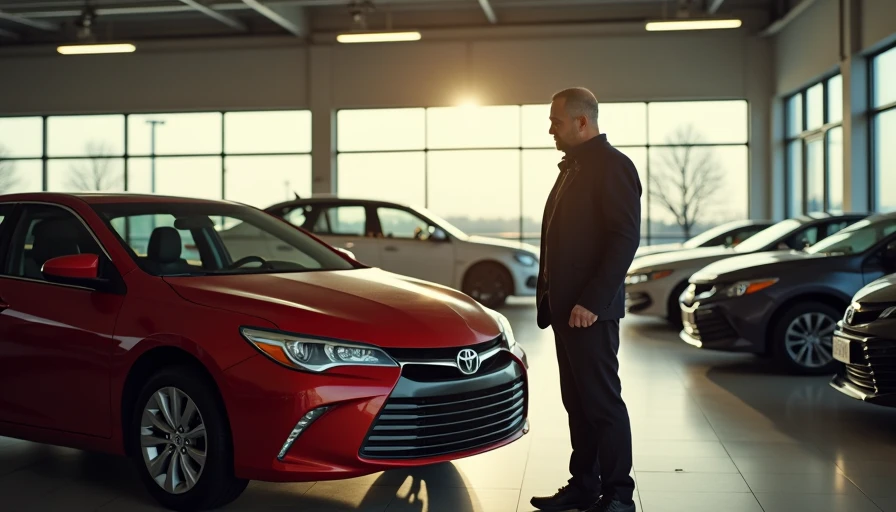
Don’t overlook the Prius either. Yes, the hybrid battery is a concern, but modern Toyota hybrids are absurdly durable. A 2016 Prius with 100,000 miles can still get 50 mpg and run another 100k without battery issues. The savings on gas alone make up for the higher purchase price.
What to Watch Out For When Shopping for Used Toyota Cars
Even the best used Toyota cars have weak spots. Here are the most common issues I’ve run into or heard about from mechanics:
- **Rust**: Toyotas from the early 2000s, especially Tacomas and Tundras, are notorious for frame rust. Check the underbody thoroughly. If you see flaking metal, walk away.
- **Infotainment glitches**: On 2014-2018 models, the Entune system can be slow or unresponsive. Not a dealbreaker, but annoying.
- **Oil consumption**: Some 2.4L four-cylinder engines (in mid-2000s Camrys and RAV4s) burned oil at a high rate. If the engine is clean and doesn’t smoke, it’s probably been fixed or replaced.
- **CVT transmission**: The CVT in newer Corollas and CH-R was revised in 2020. Earlier versions have a reputation for early failure—stick to manual or traditional automatic if possible.
Always get a pre-purchase inspection from a mechanic who knows Toyotas. That $100 fee can save you thousands.
How to Get the Best Deal on a Used Toyota
Timing matters. The best time to buy a used Toyota is late fall or winter, when demand is lower. Also look for listings that have been sitting for more than two weeks—sellers are more willing to negotiate. I’ve knocked $1,500 off a posted price just by asking politely and pointing out minor cosmetic flaws.
Certified pre-owned (CPO) is worth considering if you want peace of mind. Toyota’s CPO program adds a comprehensive warranty and a 160-point inspection. The premium is usually $1,000 to $2,000 over a non-certified car, but if you plan to keep the car for five years, it can pay off.
Private party sales often give you the lowest price, but you have to do your own due diligence. Use the CarFax report to verify mileage and accident history. And don’t skip the test drive—listen for unusual engine noise, feel for vibration, and make sure all electronics work.
Final Thoughts: Is a Used Toyota Right for You?
A used Toyota is almost never a bad idea. The combination of reliability, low maintenance costs, and strong resale value makes it the smart choice for anyone who wants transportation without drama. Whether you’re a first-time buyer, a family on a budget, or someone looking for a dependable commuter, there’s a model that fits.
I still drive my third used Toyota—a 2017 Corolla with 90,000 miles—and I expect it to last me another five years at least. The key is to do your homework, inspect carefully, and don’t overpay. If you follow the steps above, you’ll end up with a car that serves you well for a long time.
Still on the fence? Take a test drive in a used Corolla or Camry and see for yourself. The feeling of a Toyota that’s been well cared for is unmistakable—it just feels solid. And that’s exactly what you want when you’re spending your hard-earned money on a used Toyota cars purchase.