
If you are shopping for a new vehicle and have asked yourself what is the safest car to drive, you are not alone. Safety is the top priority for many buyers, and it should be. After spending years behind the wheel and researching crash test data, I have learned that the answer is more nuanced than a single model name. The safest car for you depends on your needs, budget, and driving habits. But certain brands and models consistently rise to the top.
The Safest Car Isn't One Model – It's a Philosophy
When people search for what is the safest car to drive, they often expect a single answer like the Volvo XC90 or Toyota Camry. In reality, the safest car is the one that combines excellent crash protection with modern driver-assistance technology. Automakers like Volvo, Subaru, and Honda have made safety core to their identity. They invest heavily in structural engineering, airbag systems, and electronic aids that prevent accidents before they happen.
A truly safe car also suits your lifestyle. A large SUV may protect you better in a collision with a smaller vehicle, but its higher center of gravity increases rollover risk. A compact sedan might earn top marks in crash tests but offer less protection in a side impact against a pickup. So the question what is the safest car to drive cannot be answered without considering how and where you drive.
What Crash Tests Actually Tell Us
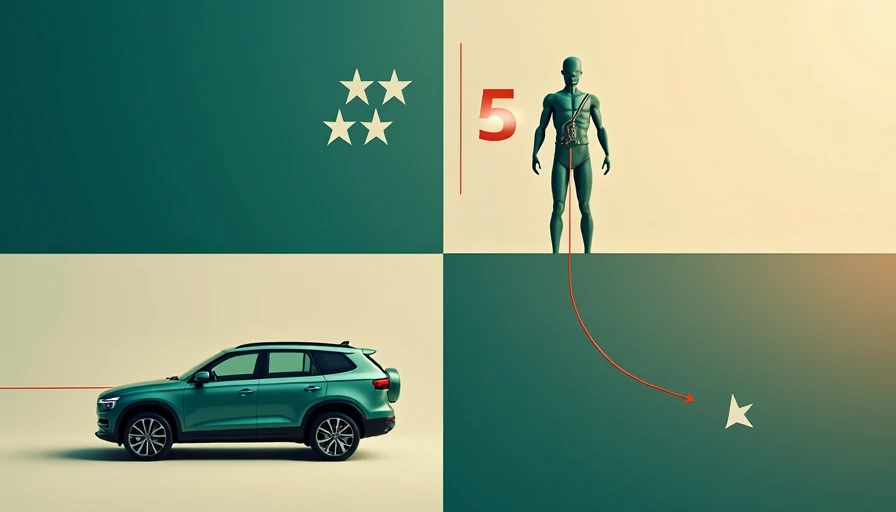
To answer what is the safest car to drive, you need to understand safety ratings. The Insurance Institute for Highway Safety (IIHS) runs a battery of tests, including moderate overlap front, driver-side small overlap, passenger-side small overlap, side impact, roof strength, and head restraints. Vehicles that excel in all areas earn the IIHS Top Safety Pick+ award. The National Highway Traffic Safety Administration (NHTSA) gives overall star ratings from 1 to 5. A 5-star rating is a good baseline.
But these tests only go so far. They measure protection for occupants in specific crash scenarios at standard speeds. Real-world crashes can be more varied. That is why I also look at real-world injury claims data and reliability records. Some models that score perfectly in tests still have higher-than-average fatality rates due to driver behavior or vehicle design quirks. So while crash tests are essential, they are not the whole story.
A Few Models That Consistently Top Safety Lists
Over the last decade, several models have become synonymous with safety. Here are a few that repeatedly earn top ratings and appear in every discussion about what is the safest car to drive.
Volvo XC90: Volvo has a long-standing reputation for safety. The XC90 midsize SUV earned IIHS Top Safety Pick+ for multiple years. Its structure is designed to absorb impact forces, and its City Safety system includes automatic emergency braking, pedestrian detection, and large animal detection. If you have a family and want peace of mind, this SUV is a strong contender.
Subaru Outback: Subaru is known for its symmetrical all-wheel drive and exceptional crash test performance. The Outback wagon has consistently earned Top Safety Pick+ ratings. Its EyeSight suite includes adaptive cruise control, lane keeping assist, and pre-collision braking. The Outback also boasts low injury claims compared to other midsize wagons.
Mazda CX-5: The CX-5 compact SUV surprised many by earning top marks from both IIHS and NHTSA. Its advanced structure uses high-strength steel, and its i-Activsense safety package includes blind-spot monitoring, rear cross-traffic alert, and smart brake support. It offers a good balance of safety, driving dynamics, and value.
Toyota Camry: The sedan segment is shrinking, but the Camry remains a safe choice. It has earned Top Safety Pick+ ratings and NHTSA 5 stars. Toyota Safety Sense P is standard and includes forward collision warning, auto braking, lane departure alert, and adaptive cruise control. The Camry is also reliable and affordable to insure.
Honda Accord: Another sedan that excels in safety. The Accord receives top marks across the board, with Honda Sensing as standard. Features include collision mitigation braking, road departure mitigation, and adaptive cruise control. The Accord also has a strong track record for low injury claims.
Why Safety Ratings Matter More Than Brand Hype
When I hear people ask what is the safest car to drive, they often focus on brand reputation rather than actual data. Brand loyalty can be misleading. For example, some luxury brands like Mercedes-Benz and BMW offer excellent safety, but not every model earns top ratings. Meanwhile, mainstream brands like Subaru and Mazda often outperform premium rivals in crash tests. The cost of a vehicle does not directly correlate with its safety level. I have seen expensive SUVs that fail small overlap tests, while a modest Honda Civic earns top marks.
This is why you should always check the latest IIHS and NHTSA ratings for the specific model year you are considering. Safety technology evolves rapidly. A 2020 model may lack features that are standard on a 2025 model. If you are buying used, look for vehicles with good original ratings and verify that safety features are in working order.
My Personal Pick and What I'd Recommend
If someone pressed me for a single answer to what is the safest car to drive, I would say the Volvo XC90. It combines a strong structure, world-class crash scores, and a comprehensive suite of safety features. It is also designed with real-world accident data in mind. But it is expensive, and not everyone needs a large SUV.
For most families, the Subaru Outback offers nearly the same level of protection at a lower price. For young drivers or those on a tight budget, the Mazda CX-5 or Honda Civic provide excellent safety without breaking the bank. The key is to match the vehicle to your lifestyle. A safe car that you cannot afford or that does not fit your needs is not really safe because you might skip maintenance or drive stressed.
How to Verify the Safety of Your Next Purchase
To truly answer what is the safest car to drive for you, follow these steps. First, visit the IIHS and NHTSA websites and look up the ratings for the model and year you are interested in. Pay attention to the small overlap front crash test, which many vehicles fail. Second, compare the available driver-assistance features. Automatic emergency braking with pedestrian detection is a must in my book. Third, check reliability ratings and owner forums for issues with safety systems. Finally, take a test drive and experience the visibility and blind spots yourself.
Safety is never guaranteed, but choosing a vehicle that scores well in tests and has a proven track record of low injury claims gives you the best odds. The next time you wonder what is the safest car to drive, remember that it is not a single model—it is the one that fits your life and comes equipped with the technology to protect you and your loved ones.


No notes yet — write the first.