When you start shopping for a new vehicle, the term "safest cars" probably comes up pretty quickly. And for good reason—nobody wants to drive something that folds like origami in a fender bender. But what actually makes a car safe? And which models top the charts this year? I’ve spent weeks researching crash test ratings, safety features, and real-world reliability. Here’s my honest take on the safest cars you can buy in 2025.
How Are Safest Cars Rated?
Before we get into specific models, let’s talk about how safety is measured. The two big players are the Insurance Institute for Highway Safety (IIHS) and the National Highway Traffic Safety Administration (NHTSA). The IIHS gives out Top Safety Pick and Top Safety Pick+ awards. NHTSA assigns a 5-star overall safety rating. For a car to be considered among the safest cars, it needs top marks in both. That means scoring “Good” in all crashworthiness tests and earning a 5-star overall from NHTSA. Additionally, the IIHS now requires acceptable or good headlight performance and standard automatic emergency braking for the plus rating.
By looking at both sets of criteria, you get a complete picture. I always recommend cross-referencing because sometimes a car does great in IIHS but only gets 4 stars from NHTSA. That’s a red flag.
Top Picks for Safest Cars in 2025
Let’s get into the good stuff. Based on the latest ratings, here are the safest cars you can walk into a dealership and buy right now. Remember, these are models that consistently earn top marks across the board.
Sedans
- **Honda Accord**: A perennial favorite. The 2025 Accord earned a Top Safety Pick+ and 5-star NHTSA rating. It comes standard with Honda Sensing, which includes collision mitigation braking and lane keeping assist. Starting around $28,000.
- **Mazda3**: If you want something sporty but safe, the Mazda3 is a standout. It also got the IIHS Top Safety Pick+ and 5 stars. The available i-Activ all-wheel drive helps in bad weather.
SUVs
- **2025 Toyota RAV4**: This compact SUV is a best-seller for a reason. It has a 5-star NHTSA rating and Top Safety Pick from IIHS (just shy of plus due to headlights on some trims). Standard Toyota Safety Sense 2.0 includes adaptive cruise control and lane tracing.
- **2025 Hyundai Tucson**: The Tucson earned Top Safety Pick+ and 5 stars. It offers advanced features like blind-spot collision avoidance and rear cross-traffic alert. Plus, it has one of the best warranties in the business.
Trucks
- **2025 Ford F-150**: Surprisingly, full-size trucks can be safe too. The F-150 achieved a 5-star NHTSA rating and Top Safety Pick (not plus) from IIHS. Its high-strength steel frame and available Co-Pilot360 technology make it one of the safest trucks.
- **2025 Ram 1500**: Another strong contender with a 5-star rating. The Ram has excellent front crash prevention ratings.
Why Choosing a Safe Car Matters
Beyond the obvious peace of mind, driving one of the safest cars can actually save you money. Insurance companies love safe vehicles. Many offer discounts if your car has advanced safety features like automatic braking or lane departure warnings. Over 15 insurers in the US provide some form of safety feature discount, ranging from 5% to 30% off your premium. A 2024 study by the IIHS showed that vehicles with front crash prevention had 27% fewer property damage claims. That directly translates to lower insurance costs.
But it's not just about the wallet. According to NHTSA, frontal air bags saved over 50,000 lives from 1987 to 2017. And modern features like automatic emergency braking cut rear-end crashes by 50%. When you buy a car that scores top marks in every test, you're dramatically reducing your risk of serious injury.
Features That Make the Safest Cars Stand Out
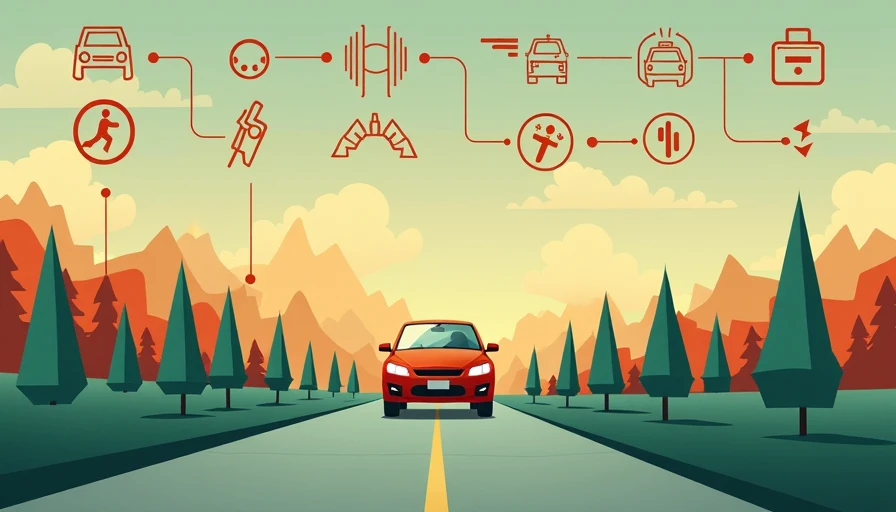
So what separates the safest cars from the rest? Here are the key features you should look for:
- **Automatic Emergency Braking (AEB)**: This is now standard on most new cars, but some do it better than others. The IIHS rates systems as superior, advanced, or basic. “Superior” means it avoids collisions at both 12 mph and 25 mph in testing.
- **Blind Spot Monitoring**: Especially important for SUVs and trucks. This feature alerts you when a vehicle is in your blind spot, often with a light in the mirror or a warning sound.
- **Lane Keeping Assistance**: This gently steers you back into your lane if you drift. It’s not a substitute for paying attention, but it’s a great backup.
- **Adaptive Cruise Control**: Maintains a set distance from the car ahead. Some systems (like Ford's Co-Pilot360) can even stop and go in traffic.
- **Strong Structural Design**: The safest cars use high-strength steel and efficient crumple zones. The Mazda3, for example, uses 980 and 1,300 MPa grades of steel in key areas.
When I test drive a car, I always check if these features are included or optional. Sometimes the base trim lacks the best headlights, which can knock a car out of the Top Safety Pick+ rating. It’s worth spending a little extra for the tech.
Final Thoughts
Choosing among the safest cars doesn't have to be complicated. Focus on IIHS Top Safety Pick+ or NHTSA 5-star vehicles. Look for standard safety suites like Honda Sensing or Toyota Safety Sense. And remember that a safer car often means lower insurance premiums—so it's a win-win.
If you're serious about safety, start your search with the models I listed above. But don't just take my word for it. Go test drive a few, check the ratings yourself, and then get an insurance quote before you sign. You might be surprised how much you can save with a few simple choices.
Now get out there and find your safest car. Your family—and your wallet—will thank you.

No notes yet — write the first.