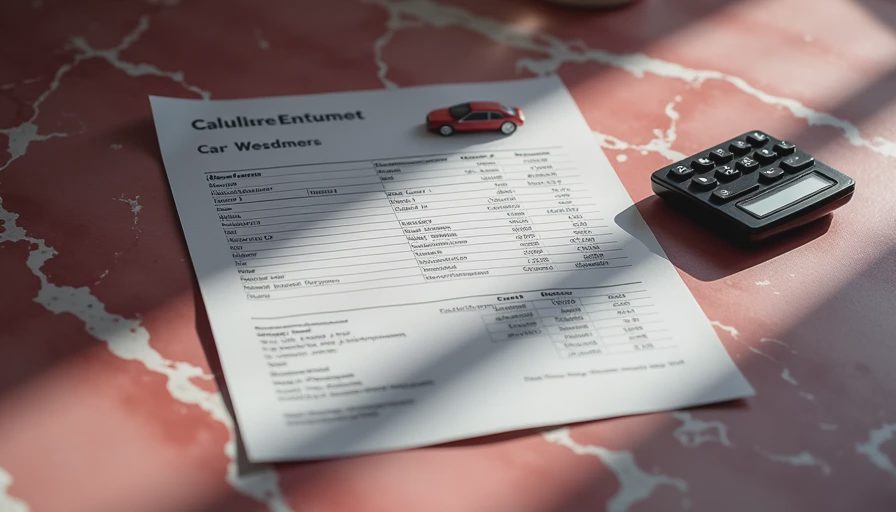
I’ll never forget the sinking feeling when I backed into a concrete pillar in a parking garage. The crunch of metal, the immediate regret. My bumper was cracked and the tail light shattered. My first thought wasn’t about insurance—it was, “How much is this going to cost?” I needed a car damage repair estimate fast. If you’ve been in a similar spot, you know the anxiety of not knowing what a repair will set you back. In this post, I’ll walk you through everything I’ve learned about getting a reliable estimate, what factors drive the price, and how to avoid paying more than you should.
What Goes Into a Car Damage Repair Estimate?
A car damage repair estimate isn’t just a random number. It’s built from several variables. For my bumper repair, the shop considered the extent of the crack (could it be plastic-welded or needed replacement), the cost of a new OEM bumper vs. aftermarket, paint blending on adjacent panels, and labor rates. Labor alone can range from $50 to $150 per hour depending on your area. Parts are another big chunk: a new bumper cover for a Honda Civic might run $200–$400, while a luxury car like a BMW could be $800–$1,200. Then there are hidden costs like sensors for parking assist or blind-spot monitoring. A thorough car damage repair estimate itemizes all these line items so you see exactly what you’re paying for.
Another factor is the type of damage. A simple scratch might be $150 to buff out, but a dent that requires paintless dent removal could be $75–$200 per panel. More complex structural damage, like a crumpled fender near the wheel well, will involve welding, frame pulling, and possibly a trip to a specialized body shop. Insurance companies often use their own estimating software (like CCC or Mitchell) to generate a car damage repair estimate, which can be a good starting point but may miss hidden damage discovered once the teardown begins. That’s why it’s wise to get an independent estimate from a body shop too.
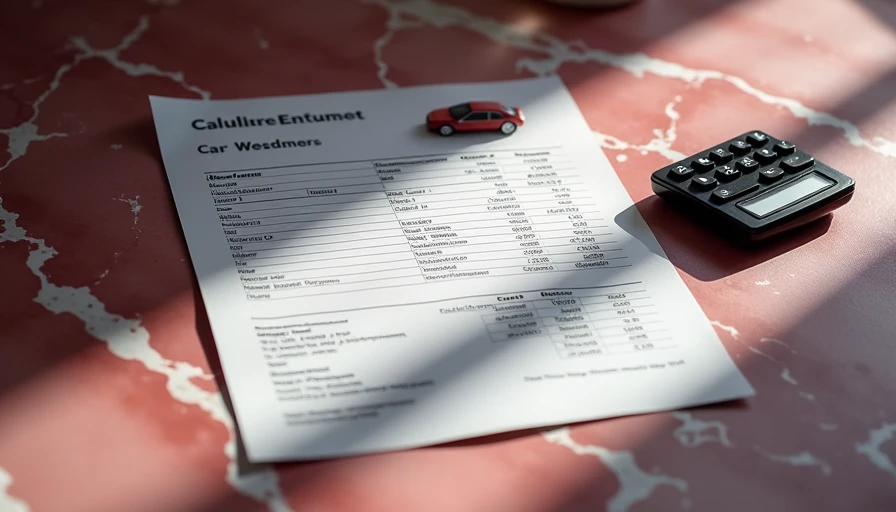
Getting an Accurate Estimate: Where to Start
When you need a car damage repair estimate, you have options. You can visit a local body shop for a walk-around inspection, use an online estimator tool like RepairPal or NADA Guides, or submit photos through your insurance app. Each has pros and cons. A physical shop can actually put the car on a lift and check for undercarriage damage—something a photo estimate can’t do. But online estimates give you quick ballpark figures that help set expectations.
I started with a mobile appraisal service from my insurer. They sent a guy to my driveway, tablets in hand. He photographed the damage, typed a few notes, and within 15 minutes I had a preliminary car damage repair estimate. It felt convenient, but when I later went to a trusted body shop, they popped off the bumper and found the impact had bent a mounting bracket. That added $200 to the final bill. Moral of the story: always get at least two estimates, and if possible, let a shop tear down the damaged area before committing to repairs. A good shop will perform a “virtual teardown” or estimate based on similar repairs they’ve done.
One thing I’ve learned: don’t automatically choose the cheapest car damage repair estimate. The lowest bid might skip steps like proper surface prep or use cheaper aftermarket parts that don’t fit perfectly. Instead, compare the estimate details—are they using OEM parts? What’s the warranty on labor? A reputable shop will stand behind their work for a year or more. Also check online reviews and ask friends for referrals. The money you save on a cut-rate estimate could be lost in poor repairs that peel or rust later.
Ways to Lower Your Repair Bill
If your car damage repair estimate is higher than you hoped, don’t panic. There are legitimate ways to reduce your out-of-pocket cost without sacrificing quality. First, ask about aftermarket or refurbished parts. Many shops will quote OEM parts, but if you’re paying out of pocket, switching to a quality aftermarket part can save 30–50%. Just make sure the part comes with a warranty and fits your car model well. Second, see if paintless dent repair (PDR) is an option for minor dings. PDR can be half the cost of traditional bodywork and takes less time.
Another tactic: negotiate the labor rate. Some shops have a posted rate but might lower it for cash-paying customers or if you bundle multiple repairs. I once got a $50/hour discount just by asking politely. Also, check if your insurance policy includes a waiver of deductible or if you have rental car reimbursement—that can save you from paying for a rental out of pocket while your car is in the shop. If the damage is minor and cosmetic, you might even delay repair until you can save up cash. During my bumper incident, I drove around with a cracked bumper for three months until I had saved enough for the deductible.

What If the Estimate Seems Too High?
You have rights. If a body shop gives you a car damage repair estimate that seems inflated, or if the insurer’s estimate is lower than needed to fix the car properly, you can challenge it. Get a second opinion from another shop and ask them to write a detailed counter-estimate. Present both to your insurance adjuster; they may agree to supplement the claim for hidden damages. I’ve read stories of shoppers successfully pushing back on initial estimates by providing photos of similar repairs from other shops or by citing local market rates for specific parts.
Another option: use a shop that works with your insurance company’s “direct repair program” (DRP). These shops have agreements to do the work at a set rate, which can speed up the process and avoid disputes. But be aware: DRP shops may have incentives to keep costs down, which could mean they’re less likely to push for OEM parts. Weigh that against the convenience. If you’re stuck, you can also hire an independent appraiser to negotiate on your behalf (for a fee, usually a percentage of what they save you).
In the end, a fair car damage repair estimate should let you fix your car correctly the first time, without sticker shock. After my fender bender, I ended up paying $1,200 out of pocket—less than my $1,500 deductible—by choosing a shop that used quality aftermarket parts and gave me a slight labor break. The repair held up perfectly for years. So don’t settle for the first number you see; shop around, ask questions, and keep your car safe.
Remember: the cost of a repair isn’t just a number—it’s peace of mind. A reliable car damage repair estimate is the first step to getting back on the road with confidence.
No notes yet — write the first.