I have bought and sold more used cars than I care to count. Over the years, I have learned that knowing how to purchase a used vehicle the right way can save you thousands of dollars and a lot of headaches. This guide walks you through the entire process, from budgeting to driving off the lot.
Why Buying Used Makes Sense
New cars lose value the second you drive them off the lot. A used vehicle, on the other hand, has already taken that initial depreciation hit. You can often get a car that is two or three years old with low mileage for a fraction of the original price. Plus, modern cars are built to last. A well-maintained used vehicle can easily run for 200,000 miles or more. So if you are looking for value, buying used is the smart move.
Step 1: Determine Your Budget and Needs
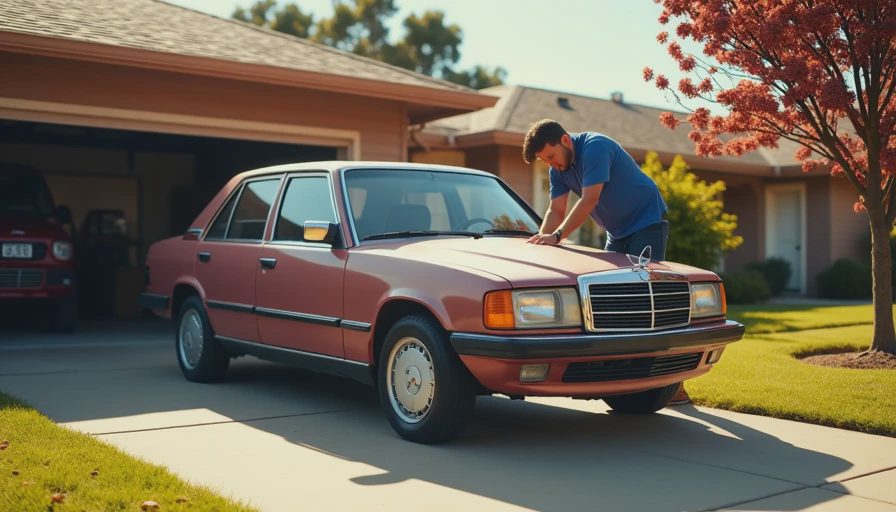
Before you start shopping, figure out how much you can spend. Include the purchase price, taxes, registration, insurance, and any immediate repairs. A good rule of thumb is to keep your total monthly car payment under 10% of your take-home pay. Also, think about what you need: a commuter car, a family SUV, or a truck for hauling? Write down your must-haves and nice-to-haves. This will help you narrow down the search when you start looking for a used vehicle.
Step 2: Research Models and Prices
Once you know your budget, research specific makes and models. Check reliability ratings from sources like Consumer Reports or J.D. Power. Look up common problems for the models you like. Then, check pricing guides like Kelley Blue Book or NADA Guides to see what a fair price is for the year, mileage, and condition. This preparation is crucial for knowing how to purchase a used vehicle without overpaying.
Step 3: Inspect the Vehicle Thoroughly
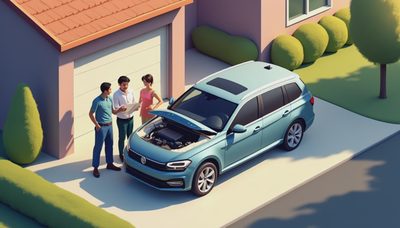
When you find a candidate, inspect it carefully. Start with the exterior: look for rust, dents, and mismatched paint that could indicate repair work. Check the tires for even wear. Inside, smell for mold or smoke. Test all electronics: windows, AC, lights, radio. Pop the hood and check fluid levels and belts. A visual inspection can reveal a lot. If you are not mechanically inclined, bring a friend who is or pay a mechanic for a pre-purchase inspection. It costs around $100 but can save you from buying a lemon.
Step 4: Test Drive Like a Pro
A test drive is your chance to feel how the car behaves. Drive on different roads: city streets, highway, and bumps. Listen for strange noises from the engine, brakes, or suspension. Accelerate from a stop, brake hard, and take sharp turns. The car should feel solid and responsive. Pay attention to the steering: it should track straight, not pull to one side. After the drive, park and let the engine idle. Look for smoke from the exhaust and check for leaks underneath. This step is vital when you learn how to purchase a used vehicle that you will be happy with.
Step 5: Negotiate the Price
Once you are satisfied, it is time to negotiate. Use your research to justify your offer. Point out any flaws you found and use them as leverage. Be polite but firm. Start with a price that is below what you are willing to pay, so you have room to come up. Remember, the seller expects to haggle. If they won't move much, ask for a full tank of gas or a new set of tires instead. Know your walk-away point: if the deal isn't right, do not be afraid to leave. There are plenty of other used vehicles out there.
Step 6: Finalize the Paperwork
After agreeing on a price, handle the paperwork. If you are buying from a dealer, they will take care of most of it, but read every document. For a private sale, you will need a bill of sale, the title signed over to you, and a release of lien if there was one. Check that the VIN on the title matches the car. Pay by cashier's check or money order to avoid fake cash. Then, register the car and get insurance before you drive it home. Following these steps ensures you know exactly how to purchase a used vehicle legally and safely.
Common Mistakes to Avoid When Buying a Used Vehicle
Even savvy buyers slip up. One common error is skipping the vehicle history report. Always get a Carfax or AutoCheck to check for accidents, flood damage, or odometer rollback. Another mistake is falling in love with a car and ignoring red flags. Stick to your inspection checklist and walk away if something feels off. A third pitfall is not getting financing pre-approved. Dealers may offer higher rates; compare loan offers from banks or credit unions first. Finally, many forget to factor in ongoing costs like insurance and maintenance. For example, a luxury used vehicle might have cheap upfront price but expensive parts. Avoiding these mistakes makes the process of figuring out how to purchase a used vehicle much smoother.
Final Thoughts
Buying a used car does not have to be stressful. With preparation and patience, you can find a reliable used vehicle that fits your budget. I still remember my first used car purchase: I skipped the inspection and paid for it later. Now I always take these steps seriously. Follow this guide, and you will drive off with confidence.



No notes yet — write the first.