
I’ll be the first to admit: I used to dread car maintenance. The thought of crawling under a dirty car, wrestling with greasy parts, and possibly breaking something expensive kept me driving straight to the shop. But after a few pricey repair bills—one oil change cost me $80 and a simple air filter replacement ran $50—I decided to give **DIY car maintenance** a real try. Turns out, most basic tasks are easier than you think, and the savings are huge. In this guide, I’ll walk you through the essentials of **DIY car maintenance**, the tools you need, and common pitfalls to avoid.
Why DIY Car Maintenance Matters
Let’s talk dollars. A basic oil change at a quick-lube shop runs $40–$80 depending on oil type. Doing it yourself? About $25–$35 for synthetic oil and a filter. That’s a 50% savings or more. Over the course of a year, doing your own oil changes, air filter replacements, and tire rotations can put $300–$500 back in your pocket. And that’s just the direct savings. When you know your car’s condition firsthand, you can catch small issues before they become expensive breakdowns. **DIY car maintenance** isn’t just about saving cash—it’s about confidence and control.
Essential DIY Car Maintenance Tasks
Here are the five tasks I recommend every driver learn. They require minimal tools and cover the most common maintenance needs.
1. Oil and Filter Change
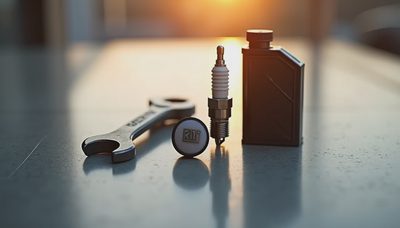
This is the classic entry point. You’ll need a wrench, an oil filter wrench, a drain pan, and the correct oil and filter for your car. I use Castrol GTX and a Fram filter for my 2018 Honda Civic. Total cost: around $30. At the shop, that’s $70. The process: warm up the engine, drain old oil, replace filter, add new oil. Takes about 30 minutes the first time.
2. Air Filter Replacement
A dirty engine air filter can reduce fuel economy by 10% or more. Replacing it takes two minutes—no tools required on most cars. Just pop the clips, remove the old filter, drop in a new one (brand: K&N or FRAM). Cost: $15–$25. Dealer price: $50 installed.
3. How to Check and Top Off Fluids
You need to check engine oil, coolant, brake fluid, power steering fluid, and windshield washer fluid regularly. Most reservoirs are clearly labeled. I check mine every two weeks while filling up gas. It takes five minutes and can prevent overheating, brake failure, or a dead engine. **DIY car maintenance** doesn’t get simpler than this.
4. Tire Pressure and Rotation
Proper tire pressure extends tire life and improves gas mileage. Buy a $10 tire gauge and check pressure monthly. Rotating tires every 5,000–7,000 miles ensures even wear. Many shops charge $30–$40 for a rotation, but you can do it at home with a jack, jack stands, and a lug wrench. I use a Craftsman torque wrench to avoid over-tightening.
5. Battery Terminal Cleaning
Corroded battery terminals can cause starting problems. Clean them with a wire brush and a solution of baking soda and water. Apply anti-corrosion pads (cost: $5) to prevent future buildup. Total time: 15 minutes. Dealership charge: $30–$50 for a “battery service.”
Tools You Need for DIY Car Maintenance
You don’t need a fully equipped garage. Start with these basics:
- Socket wrench set (metric and standard, ¼-inch and ⅜-inch drive)
- Oil filter wrench
- Jack and two jack stands (never rely on just a scissor jack)
- Tire pressure gauge
- Multimeter (for battery and electrical checks)
- Funnel and drain pan
- Basic screwdrivers and pliers
- Work gloves and safety glasses
Total investment: around $100 for decent brand tools (Craftsman, Husky, or GearWrench). That’s less than one major repair visit, and they’ll last for years.
Common Mistakes to Avoid
Even with the best intentions, beginners can slip up. Here are the biggest ones I’ve made or seen:
- **Over-tightening oil drain plugs or filters.** Hand-tighten the filter, then give it an extra quarter turn. For the drain plug, use a torque wrench (typical spec is 20–30 ft-lb for most cars). Snapping a bolt in the oil pan means a $200 repair.
- **Forgetting new filter O-rings.** Many oil filters come with a rubber ring. Apply a thin coat of oil before installing. Missing this causes leaks.
- **Using the wrong oil viscosity.** Check your owner’s manual. For example, my Civic requires 0W-20, not 5W-30. Using the wrong grade can damage the engine long-term.
- **Not safely supporting the car.** Never rely solely on a jack. Always use jack stands. A friend of mine had his car fall off a jack while he was under it—he was lucky, but it could have been fatal.
- **Skipping the test drive after repairs.** Start the engine, check for leaks or odd noises, then take a short drive. If something feels off, stop and double-check.
When to Call a Professional
**DIY car maintenance** isn’t always the answer. Some jobs require specialized tools, computer diagnostics, or advanced experience. I draw the line at:
- **Transmission fluid flush** on modern sealed transmissions
- **Timing belt replacement** (very easy to mess up and ruin the engine)
- **AC system repairs** (requires refrigerant handling certification)
- **ABS or airbag system work** (safety-critical electronics)
- **Major engine or transmission rebuilds**
For those, I pay a mechanic. A simple rule: if the job involves removing the serpentine belt or opening the timing cover, I let a pro handle it. The cost of a mistake can outweigh the savings.
Final Thoughts
You don’t need to be a mechanic to perform **DIY car maintenance**. Start with the basics: oil changes, air filters, fluid checks, tire care, and battery cleaning. Within a year, you’ll gain confidence, save hundreds, and know your car better than anyone else. Grab a set of tools, find a YouTube tutorial for your specific make and model, and give it a try. Your wallet—and your car—will thank you.
*Editor’s note: I’ve been doing my own maintenance for three years now. I still take my car to a shop for alignment and transmission service, but everything else I handle at home. The satisfaction of saying “I did that” never gets old.*


No notes yet — write the first.