
I get asked this question all the time: "Used car which is best?" It's a simple question with a complicated answer. With so many makes, models, years, and mileage combinations out there, picking the right pre-owned vehicle can feel overwhelming. But after years of buying and selling cars, I've developed a framework that takes the guesswork out of the process. Let's break it down step by step.
Step One: Define Your Budget and Needs
Before you even start browsing, decide how much you can spend. Include not just the purchase price but also taxes, registration, insurance, and immediate maintenance. A good rule of thumb: spend no more than 10-15% of your annual income on a car. If you earn $50,000 a year, your total budget is $5,000–$7,500. That narrows down the used car which is best for your wallet.
Next, think about how you'll use the car. Daily commuter? Weekend road tripper? Hauling gear? A compact sedan like a Honda Civic or Toyota Corolla is fuel-efficient and reliable for city driving. For extra space, a used CR-V or RAV4 offers SUV versatility without breaking the bank. If you need to tow or haul heavy loads, a pickup like the Ford F-150 or Toyota Tacoma holds its value well. Write down three must-haves (e.g., Bluetooth, backup camera, 30+ mpg) and stick to them.

Step Two: Research Reliability and Cost of Ownership
Once you have a shortlist of candidates, dig into reliability. Resources like Consumer Reports, J.D. Power, and owner forums give real-world feedback. For most drivers, a used Honda, Toyota, or Mazda from the last 5-7 years offers the best balance of durability and repair costs. For example, a 2017 Honda Accord with 60,000 miles costs around $16,000 and will easily last another 100,000 miles with routine maintenance. On the other hand, a luxury brand like BMW or Audi may have a lower purchase price but higher parts and labor costs later.
Insurance costs also vary by model. A used Honda Civic is cheap to insure, while a used Mustang or sports car will cost more. I always recommend getting insurance quotes for your top two or three vehicles before you buy. That way you know the real monthly cost. When you ask "used car which is best?" the answer often depends on total ownership cost, not just the sticker price.
Step Three: Buy From a Trusted Source
You can buy from a private seller, a used car dealer, or a certified pre-owned (CPO) program. Private sales usually offer the lowest price, but come with more risk. Always get a vehicle history report (Carfax or AutoCheck) and have a mechanic inspect the car before you hand over cash. Dealerships and CPO vehicles cost more but typically include a warranty and a reconditioning process. For peace of mind, I lean toward CPO or a well-reviewed independent dealer.
Be wary of sellers who rush you or refuse a third-party inspection. Also, check the vehicle's title for salvage or flood damage. A clean title is a must. If the deal seems too good to be true, it probably is. A used car which is best for your situation is one that has been maintained properly and has a transparent history.

Step Four: Test Drive and Inspect
Never buy a used car without driving it first. Pay attention to how it starts, accelerates, brakes, and handles bumps. Listen for unusual noises. Check all electronics: lights, air conditioning, windows, and infotainment. Test the heater and A/C on full blast. Look for uneven tire wear, which could signal alignment issues. After the drive, park on a level surface and look for fluid leaks under the engine or transmission.
I also do a quick interior check. Does everything smell clean? Are the seats worn unevenly? High mileage on a neglected interior often means mechanical care was also lax. Take notes on any concerns and use them as negotiation points. A thorough test drive is the final reality check before you commit.
Popular Models by Category
Here's a quick list of commonly recommended used cars that consistently answer "used car which is best" for most buyers:
- **Compact Sedan:** 2016-2019 Honda Civic – great fuel economy, fun to drive, reliable.
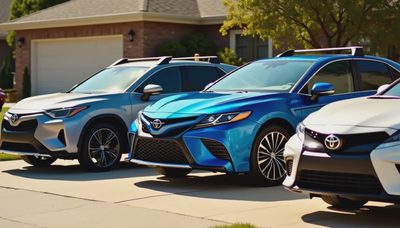
- **Midsize Sedan:** 2017-2020 Toyota Camry – spacious, bulletproof, strong resale.
- **Compact SUV:** 2017-2021 Mazda CX-5 – sporty handling, upscale interior, low repair costs.
- **Midsize SUV:** 2018-2020 Honda Pilot – family-friendly, lots of room, safe.
- **Truck:** 2016-2019 Toyota Tacoma – legendary reliability, holds value like crazy.
Final Thoughts
At the end of the day, the "used car which is best" is the one that fits your budget, meets your needs, and comes with a clean history and solid inspection. Don't rush. Take your time, do your homework, and trust your gut. Happy car hunting.