
I remember the first time I popped the hood of my ’97 Civic and realized I had absolutely no idea what I was doing. That feeling of helplessness is exactly why I started collecting car maintenance tools. Over the years, I’ve learned that having the right gear not only saves you trips to the mechanic but also builds confidence. Whether you’re a weekend warrior or just want to handle emergencies, here are the ten car maintenance tools that belong in every garage.

Essential Hand Tools for Everyday Repairs
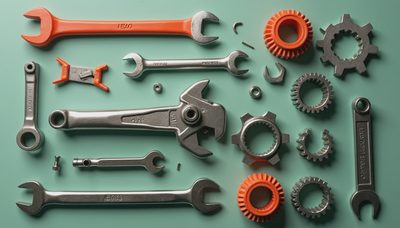
Every DIYer needs a solid set of wrenches, screwdrivers, and pliers. A good combination wrench set (metric and SAE) covers 80% of bolts on most cars. I keep a ⅜-inch drive socket set with extensions handy for spark plugs and suspension work. Don’t cheap out here—a stripped bolt can ruin your day. These core car maintenance tools are the foundation of any repair. When you’re changing a battery or swapping out an air filter, a basic screwdriver set and a pair of locking pliers make the job quick. I’ve used my Irwin locking pliers more times than I can count.
Diagnostic Tools to Decode Warning Lights
Modern cars rely on electronics, so a scan tool is indispensable. An OBD-II scanner reads those mysterious check-engine codes. I bought a BlueDriver model for around $100, and it’s paid for itself ten times over. Simply plug it in, pull the code, and Google the fix. For electrical issues, a digital multimeter helps test fuses and sensors. These diagnostic car maintenance tools let you avoid dealer visits for simple problems. I once diagnosed a faulty coolant temperature sensor in twenty minutes with my multimeter—saved a $200 diagnostic fee.

Specialty Tools That Make Hard Jobs Easy
Some repairs require purpose-built gear. An oil filter wrench is a must—strap-style ones adjust to any filter. I prefer the metal claw type for tight spaces. A hydraulic floor jack and two jack stands are non‑negotiable for brake jobs or tire rotations. Never rely on the scissor jack that came with the car. For brake work, a caliper piston tool saves frustration when retracting pistons. Another favorite is a torque wrench: over-tightening lug nuts can warp rotors. These specialty car maintenance tools turn a frustrating afternoon into a satisfying project.
Storage and Organization for Your Tools
Buying the right car maintenance tools is only half the battle. You need a sturdy toolbox or tool bag. I use a five‑drawer chest from Craftsman—it keeps wrenches separate from sockets, so I’m not hunting for a 10mm socket (which always disappears). Nitrile gloves protect your hands from grease and cuts, and shop rags or paper towels are essential. A magnetic tray holds bolts during disassembly. Investing in organization means your car maintenance tools stay clean and ready, and you spend less time searching and more time fixing.
Final Thoughts on Building Your Kit
You don’t need to buy everything at once. Start with the basics—wrenches, sockets, a jack, and a scan tool—then add specialty items as needed. I still add one or two car maintenance tools every year. Most drivers can handle simple jobs like oil changes, air filters, and battery replacements with just a dozen tools. The money you save on labor quickly covers the cost of your kit. Plus, there’s real satisfaction in knowing you can keep your car running safely and reliably. So next time you open the hood, you’ll have the right car maintenance tools ready.
Common Mistakes to Avoid When Buying Car Maintenance Tools
It's easy to overspend or buy the wrong gear when you're starting out. One common mistake is grabbing the cheapest socket set from a discount store—those wrenches often strip bolts or break under torque. I've seen $10 sets with gaps in the fit that round off bolt heads instantly. Instead, invest in mid-range brands like GearWrench or Husky that balance cost and durability. Another error is buying too many specialty tools before you have the basics. Don't purchase a ball joint press or a transmission jack until you actually need it for a specific repair. Many beginners also forget a good pair of jack stands; using only the scissor jack that came with the car is dangerous. A $30 set of stands from Amazon is life insurance. Also, neglecting organization leads to lost tools and wasted time. A simple pegboard or tool bag keeps your car maintenance tools accessible and extends their life. For example, a magnetic tray for bolts costs under $10 and saves you from misplacing parts. Avoid these pitfalls, and your tool collection will serve you for years. Even one wrong purchase can cost you more in frustration and wasted time than the right tool would have.
Another mistake is buying tools that don't match your car's specifications. Many American vehicles use SAE sizes, while Asian and European cars primarily use metric. If you buy only SAE, you'll find it useless for a Honda or Toyota. Check your owner's manual before purchasing a socket or wrench set, and consider a combination set that includes both. Also, don't overlook the importance of safety gear. Safety glasses protect your eyes from debris and fluid splashes, and gloves prevent cuts from sharp metal. A fire extinguisher rated for Class B and C fires is a smart addition to your garage. These items aren't expensive but can prevent serious injury. Price-wise, a pair of safety glasses costs $5, gloves $10, and a small extinguisher $20. That's minimal investment for peace of mind. So when building your auto repair tool collection, think beyond the wrenches and include safety and proper sizing for your vehicle.


No notes yet — write the first.