The Mixed Feelings Every Parent Understands
One day you’re teaching them to drive, the next you’re helping them pick their first car. It’s exciting and nerve-wracking at the same time. You want them to have freedom and responsibility, but you also don’t want to buy a rolling headache that drains your bank account or compromises safety.
After helping many Columbus-area families through this exact process, here’s my plainspoken guidance for buying a car for a teen without buying a future problem.
The Non-Negotiables for Teen Cars
Safety First Prioritize strong IIHS Top Safety Pick or Good ratings, especially in small overlap frontal and side crashes. Modern safety features like automatic emergency braking and blind-spot monitoring are worth having.
Reliability Choose models with proven track records so you’re not getting midnight “I’m stranded” calls.
Insurance Reality Run quotes before you buy. Some cars look affordable but become expensive once your teen is listed as a driver.
Repair Affordability Parts and labor should be reasonable. Avoid vehicles where even minor bumps turn into major bills.
Best Practical Choices Right Now
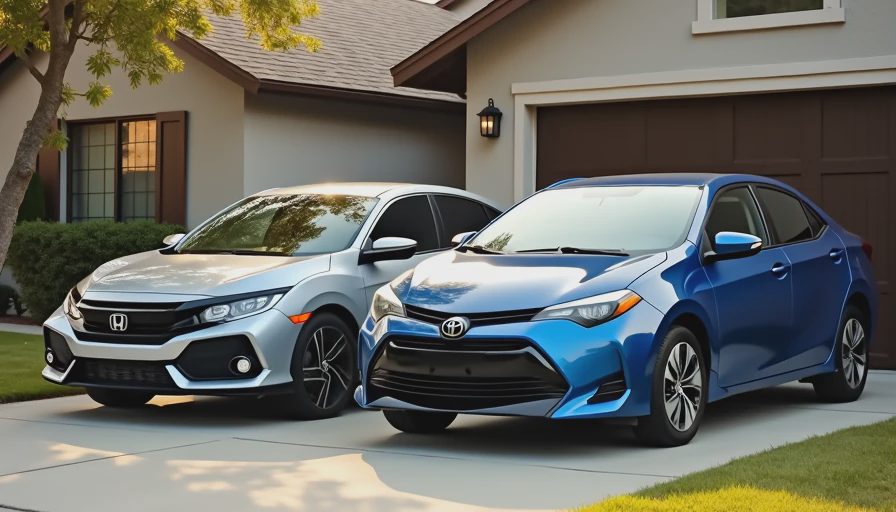
Honda Civic (2016–2021) — Top recommendation for most families. Safe, reliable, affordable insurance, easy to drive.
Toyota Corolla (2017–2022) — Extremely durable with some of the lowest insurance rates in the class.
Mazda3 (2016–2021) — Slightly more fun to drive while staying safe and reliable.
Honda CR-V or Toyota RAV4 (2017–2020) — Good if your teen needs more space or you want AWD for weather.
These cars strike the best balance between safety, reliability, and real-world ownership costs.
Common Mistakes to Avoid
Buying sporty or powerful cars — Even if your teen promises to drive responsibly, insurance companies don’t believe it. Rates can double or triple.
Cheap high-mileage luxury or performance models — Repairs will hurt.
Large SUVs or trucks — Harder for new drivers to maneuver and more expensive overall.
Neglected vehicles with poor service history — The savings disappear fast.
Two-door coupes — Limited visibility and less practical for passengers.
The Smart Buying Process
Set a realistic budget including purchase price, insurance, taxes, tires, and initial maintenance.
Get full insurance quotes with your teen as a driver before making any decision.
Always do a pre-purchase inspection with a trusted independent mechanic.
Review complete service and accident history.
Test drive together in familiar areas, including highway and parking.
Add your teen as an authorized driver on your insurance first and see how rates change.
Teaching Ownership Responsibility
Buying the car is only the beginning. Set clear rules from day one:
They pay for gas (or a portion of it)
They handle basic maintenance (oil changes, tire pressure, cleaning)
Any tickets or accidents come out of their pocket or privileges
Regular check-ins on mileage and condition
This builds good habits while protecting you from surprise costs.
A Real Family Story
A dad I worked with was tempted to buy his son a used Mustang because “he loves cars.” After we ran the insurance quotes (over $3,000/year) and discussed repair costs, they chose a 2018 Civic instead. Two years later, the son has had one minor parking scrape, insurance stayed manageable, and the car has been reliable. The dad told me it was one of the best parenting decisions they made that year.
Final Advice for Parents
Your goal isn’t to buy your teen their dream car. Your goal is to buy them a safe, reliable, practical car that teaches responsibility without creating financial stress for the family.
A slightly boring but solid Honda or Toyota will serve them far better than something exciting that becomes a burden. Focus on fewest regrets, not maximum cool factor.
Do it right and this first car becomes a valuable lesson in responsibility instead of an expensive mistake.
You’ve got this. Drive safe, parent smart, and help your teen start their driving journey on solid ground.
No notes yet — write the first.