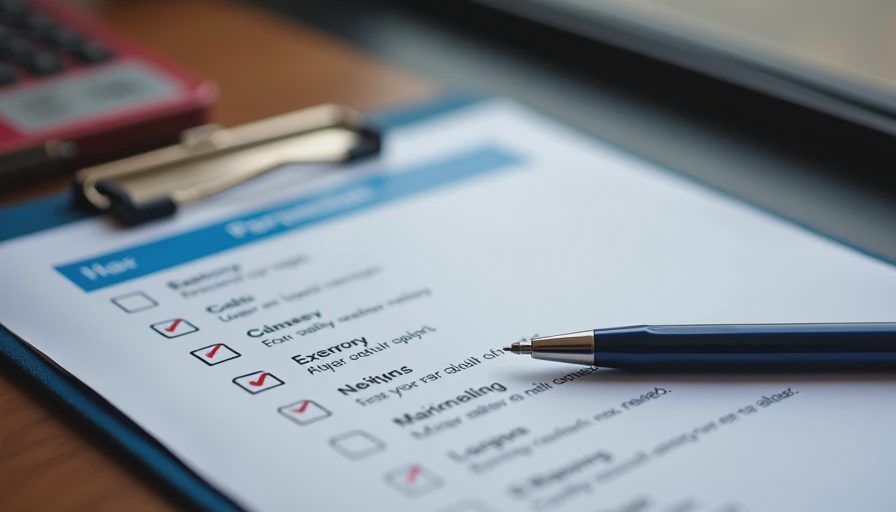
I’ll be honest: I used to ignore my car’s maintenance until something broke. A check engine light here, a weird noise there—and suddenly I was facing a $1,200 repair bill. That’s when I started using a proper **car maintenance checklist**. Now I catch small problems before they become expensive disasters. This checklist is the one I’ve refined over years of driving, and it’ll work for any car—whether you drive a Toyota Camry or a Ford F-150.
Why a Car Maintenance Checklist Matters
A **car maintenance checklist** isn’t just a piece of paper—it’s a money-saving tool. Regular maintenance can extend your car’s life by 50,000 miles or more, according to industry estimates. It also keeps your warranty valid and improves resale value. Most importantly, it prevents breakdowns that leave you stranded. I check my list every month and before any long trip, and I’ve never had a roadside emergency since.
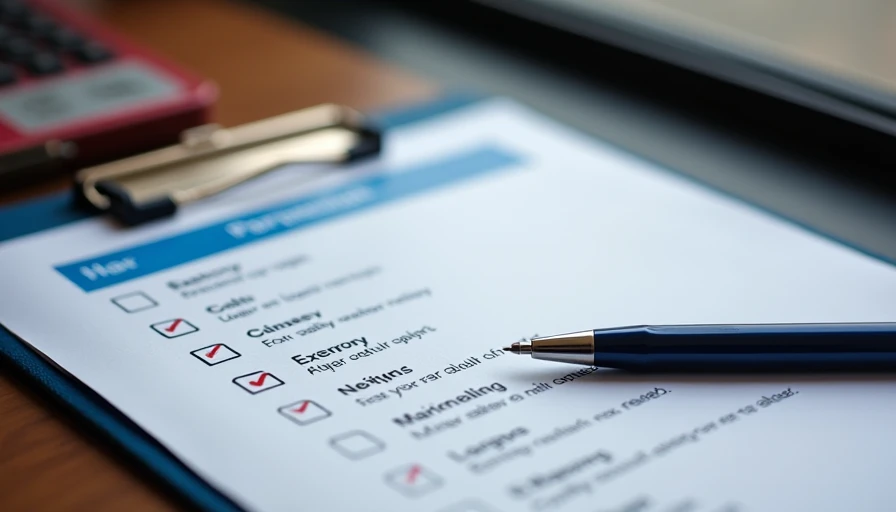
Essential Monthly Checks
These quick tasks take less than 15 minutes and can prevent major headaches:
- **Oil level**: Pull the dipstick, wipe it, reinsert, and check. Low oil means top off or schedule a change. I use Mobil 1 synthetic, but any quality oil works.
- **Tire pressure**: Use a digital gauge. Proper inflation saves fuel and prevents blowouts. I keep a $10 gauge in my glove box.
- **Lights**: Walk around the car and have someone help you check headlights, brake lights, turn signals, and reverse lights. Burnt bulbs are cheap to replace (around $5–$10 each).
- **Fluids**: Coolant, brake fluid, windshield washer fluid. Top off with the right type (e.g., Dex-Cool for GM vehicles).
- **Belts and hoses**: Look for cracks, fraying, or leaks. A serpentine belt replacement costs about $150–$200 if caught early.
Don’t skip the tire pressure step. Underinflated tires wear faster and reduce gas mileage by up to 3%. That’s like paying an extra $0.08 per gallon.
Seasonal Maintenance Tasks
Your car needs different attention depending on the weather. Here’s what I do before each season:
**Before Summer:**
- AC performance check: If the air isn’t ice-cold, a recharge may be needed (around $200 at a shop).
- Coolant level and condition: Old coolant can cause overheating. Replace every 2 years or 30,000 miles.
- Tire tread depth: Use the penny test. If you see all of Lincoln’s head, it’s time for new tires.
**Before Winter:**
- Battery test: Cold weather kills weak batteries. Many auto parts stores test for free. Replace if it’s 3+ years old (cost: $100–$200).
- Antifreeze strength: Use a refractometer or test strips. Proper mix (50/50) prevents freezing down to -34°F.
- Wipers: Replace with winter blades if you’re in snow country. Cost: $20–$40 a pair.
- Emergency kit: Pack a blanket, flashlight, jumper cables, and a small shovel.
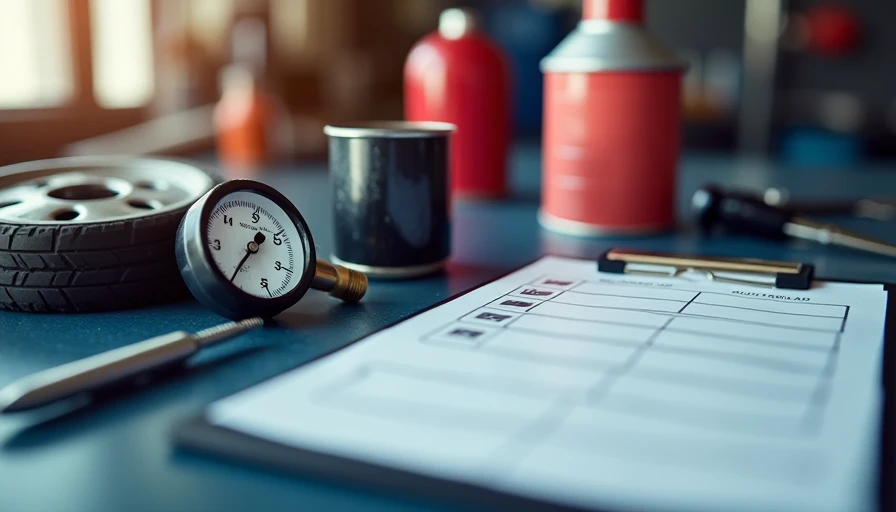
Mileage-Based Maintenance
Your owner’s manual has the full schedule, but here are the most common intervals:
- **Every 5,000–7,500 miles**: Oil and filter change. I do mine at 5,000 miles with full synthetic.
- **Every 15,000 miles**: Cabin air filter ($20–$40, easy DIY) and engine air filter ($15–$30).
- **Every 30,000 miles**: Transmission fluid (if automatic; about $150–$300 at a shop), differential fluid (rear-wheel drive), and brake fluid flush.
- **Every 60,000 miles**: Spark plugs ($200–$400 for V6 engines), timing belt (if equipped; $500–$1,000), and coolant flush.
I mark these on my calendar and set phone reminders. A missed timing belt replacement can destroy an engine—a $5,000 mistake easily avoided with a **car maintenance checklist**.
Tools and Supplies Every Driver Should Have
To follow this **car maintenance checklist**, you don’t need a full mechanic’s tool set, but these basics help:
- Tire pressure gauge (digital, around $10)
- Jumper cables (quality 4-gauge, $30–$50)
- Flashlight or headlamp
- Socket set (1/4-inch and 3/8-inch drive, $30–$60)
- Funnel and basic fluids (oil, coolant, washer fluid)
- Fuses and a fuse puller
I keep all of this in a small plastic bin in my trunk. Total investment: under $100. It’s already saved me twice—once for a dead battery, once for a loose hose clamp.
How to Create Your Own Custom Checklist
A generic **car maintenance checklist** is a start, but your specific car may have different needs. Here’s how to make it yours:
- Read your owner’s manual and write down all recommended intervals.
- Include the monthly checks I listed above.
- Add notes for common issues your model has (e.g., certain Hondas need valve adjustments every 105,000 miles).
- Laminate the list or keep a digital copy on your phone.
- Set recurring reminders on your calendar for mileage milestones.
I update my checklist whenever I buy a different car. It takes 30 minutes and pays off for years.
Final Thoughts
A solid **car maintenance checklist** is the cheapest insurance you can buy. It keeps your car reliable, safe, and worth more when you sell it. Start with the monthly checks, then work through seasonal and mileage tasks. Trust me—your wallet (and your mechanic) will thank you. Grab a notepad, jot down these steps, and make it a habit. Your car will run better, longer. And if you ever feel overwhelmed, just remember: an ounce of prevention is worth a gallon of gas.



No notes yet — write the first.